instruction manual for cooks essentials pressure cooker

Cooks Essentials pressure cookers, like model K41143/EPC-678, simplify home cooking. A Couple Cooks and Taste of Home highlight their ease of use, backed by community expertise and readily available instruction manuals online.

What is a Pressure Cooker?

A pressure cooker is a sealed pot that cooks food quickly using steam created by increased pressure. Unlike conventional cooking, the sealed environment traps steam, raising the boiling point of water well above 212°F. This higher temperature dramatically reduces cooking times for many dishes.

The Cooks Essentials digital pressure cooker, as detailed in its instruction manual (available online via Cooks Essentials and ManualsLib), utilizes this principle. It features programmable settings for various cooking modes, offering convenience and efficiency. Understanding this core function is key to utilizing the cooker effectively.


Benefits of Using a Cooks Essentials Pressure Cooker

Cooks Essentials pressure cookers offer significant advantages, as outlined in the instruction manual. They drastically reduce cooking times – perfect for busy schedules – while preserving nutrients often lost in traditional methods. Community Cooks from Taste of Home endorse their efficiency and ease.

Features like the digital display and multiple cooking modes (pressure, slow cook, sauté) provide versatility. The ability to adapt recipes, as suggested by A Couple Cooks, expands culinary possibilities. Ultimately, it simplifies meal preparation and delivers flavorful results.

Understanding Your Pressure Cooker – Model K41143/EPC-678

Model K41143/EPC-678’s instruction manual details its components. ManualsLib provides access to the PDF, explaining the 6QT digital cooker’s features and safe operation.

Key Components and Parts

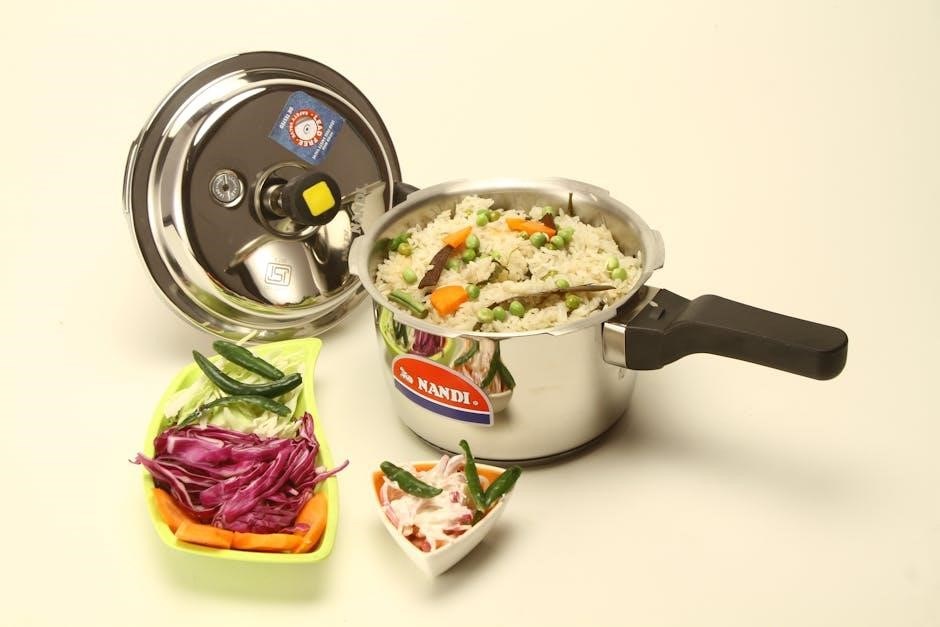
The Cooks Essentials pressure cooker, as outlined in its instruction manual, comprises several key parts. These include the main cooker body, a securely fitting lid crucial for pressure build-up, and an inner cooking pot – often removable for easy cleaning. The control panel, featuring a digital display, manages cooking functions.

Essential safety components are the pressure release valve and the float valve, ensuring safe operation. The manual details each part’s function and proper usage. Understanding these components is vital for effective and safe pressure cooking, as highlighted by resources like ManualsLib’s downloadable PDF.

Control Panel Overview & Digital Display

The Cooks Essentials pressure cooker’s control panel, detailed in the instruction manual, features intuitive buttons for selecting cooking modes – pressure cook, slow cook, sauté, and steam. The digital display prominently shows cooking time, pressure level, and status updates.

During pressure cooking, the display will show “P0 18” (example) when proper pressure is reached, indicating the remaining cooking time. Understanding these displays, as explained in the manual, is key to successful operation. The panel allows precise control and monitoring throughout the cooking process.

Safety Features Explained

The Cooks Essentials pressure cooker incorporates multiple safety mechanisms, thoroughly detailed in the instruction manual. These include a secure lid locking system, preventing opening during pressure, and a pressure release valve to regulate internal pressure.

The manual emphasizes avoiding overfilling, ensuring proper sealing, and utilizing safe pressure release techniques – natural or quick release. Regular lid inspection is also crucial. These features, when understood and followed, guarantee safe and reliable operation, protecting users from potential hazards.

Getting Started: Initial Setup & First Use

The instruction manual guides unboxing, inspection, and cleaning. A crucial first step is performing a water test, as outlined, to verify safe operation before cooking.

Unboxing and Inspection

Carefully unpack your Cooks Essentials pressure cooker, referencing the included parts list within the instruction manual. Inspect for any visible damage sustained during shipping – dents, cracks, or missing components. Verify the presence of the inner pot, sealing ring, steam release valve, and condensation collector.

Retain all packaging materials for potential returns or warranty claims. The manual emphasizes a thorough inspection to ensure all parts are accounted for and in good working order before initial use. Document any discrepancies immediately with Cooks Essentials customer support.

Initial Cleaning and Preparation

Before first use, thoroughly wash the inner pot, lid, steam release valve, and condensation collector with warm, soapy water. The instruction manual advises against abrasive cleaners, which could damage the surfaces. Wipe the exterior of the cooker with a damp cloth.

Ensure the sealing ring is properly seated within the lid – a crucial step for achieving a secure seal. Inspect the sealing ring for any defects. Handwash all components; avoid dishwasher use to prolong their lifespan, as recommended by user experiences.

Water Test – A First-Time Safety Check

The instruction manual emphasizes a water test before initial cooking. Add two cups of water to the inner pot, close and lock the lid, ensuring proper alignment. Select the ‘Pressure Cook’ function on high pressure for five minutes.

Observe for leaks around the lid and steam release valve. Successful completion, indicated by pressure building, confirms safe operation. Allow a natural pressure release. This test verifies the sealing mechanism and overall functionality, as detailed in the K41143/EPC-678 guide.

Cooking Modes & Functions

The Cooks Essentials pressure cooker offers versatile modes: Pressure Cooking (high/low), Slow Cooking, Sauté/Browning, and Steam. The digital display controls these functions, as outlined in the manual.

Pressure Cooking Mode – High & Low Pressure

The pressure cooking function, central to the Cooks Essentials cooker, utilizes both high and low-pressure settings. The instruction manual details how to select these, noting the LED screen displays “P0” followed by cooking minutes (e.g., P0 18 for 18 minutes).

High pressure is ideal for faster cooking of tougher foods like meats and beans, significantly reducing cooking times. Low pressure is suited for more delicate items, preventing overcooking. Understanding these settings, as explained in the manual, is crucial for optimal results. Once proper pressure is achieved, the cooker will naturally release pressure.

Slow Cooking Mode – Settings and Usage

The Cooks Essentials pressure cooker also functions as a slow cooker, offering versatility for various recipes. While details are limited in the provided snippets, the instruction manual likely outlines specific time and temperature settings for low, medium, and high slow cooking.

This mode allows for extended, gentle cooking, perfect for tenderizing tougher cuts of meat or developing rich flavors in stews and soups. Refer to the manual for recommended cooking durations based on ingredients and desired results, ensuring flavorful and convenient meals.

Sauté/Browning Function – Building Flavor

The Cooks Essentials pressure cooker features a sauté function, enabling you to brown meats and vegetables directly within the pot before pressure cooking. This crucial step builds depth of flavor, creating a richer and more complex final dish.

The instruction manual will detail temperature settings and recommended timings for optimal browning. Utilizing this function minimizes cleanup and maximizes flavor development, streamlining the cooking process and enhancing the overall taste of your meals.

Steam Function – For Vegetables and More

The Cooks Essentials pressure cooker’s steam function offers a healthy and efficient way to cook vegetables, fish, and poultry. Utilizing the included steam rack, food is cooked gently, preserving vital nutrients and natural flavors.

Refer to your instruction manual for precise steaming times based on food type and quantity. This function avoids the need for added fats, resulting in lighter, healthier meals. It’s a versatile option for quick side dishes or complete, nutritious dinners.

Recipes & Cooking Times

The instruction manual provides cooking times for meats, beans, and vegetables. Adapting existing recipes is possible, and a sample pot roast recipe is included for guidance.

Cooking Times for Common Foods (Meat, Beans, Vegetables)

The Cooks Essentials pressure cooker manual details specific cooking times for various foods. For example, tougher cuts of meat, like chuck roast, benefit from longer cooking durations under high pressure. Dried beans require adjusted times compared to canned varieties.

Vegetables, being more delicate, generally cook much faster; the manual will specify times to prevent mushiness. Remember that these are guidelines, and adjustments may be needed based on quantity and desired tenderness. Always consult the manual for precise recommendations to ensure perfectly cooked meals every time.

Adapting Recipes for Pressure Cooking

The Cooks Essentials pressure cooker manual emphasizes liquid is crucial for building steam and pressure. Traditional recipes often require liquid adjustments – typically reducing the amount by 25-50%. Browning meat using the sauté function before pressure cooking enhances flavor.

Cooking times are significantly reduced; a general rule is to divide stovetop cooking times by three. Delicate ingredients should be added later in the cooking process to prevent overcooking. Always refer to the manual for specific adaptation guidance and safety precautions.

Sample Recipe: Pot Roast

Using your Cooks Essentials pressure cooker, a flavorful pot roast is achievable in under two hours. Sear a 3lb beef chuck roast using the sauté function. Add 1 chopped onion, 2 carrots, and 2 celery stalks. Pour in 2 cups of beef broth and season with salt, pepper, and herbs.

Seal the lid and cook on high pressure for 60 minutes, followed by a 15-minute natural pressure release. The manual advises caution during release. Shred the roast and serve with the cooked vegetables and broth.

Operation & Usage

Proper operation involves adding ingredients and liquids, securely sealing the lid, and selecting the appropriate pressure release method – natural or quick – as detailed in the manual.

Adding Ingredients and Liquids

When adding ingredients to your Cooks Essentials pressure cooker, ensure you follow recipe guidelines for optimal results. The manual emphasizes not exceeding the maximum fill line, particularly with foods that expand during cooking, like beans or grains.

Liquids are crucial for creating steam and building pressure; recipes will specify the minimum amount needed. Insufficient liquid can lead to scorching, while excessive liquid may affect flavor concentration. Always refer to the instruction manual for specific liquid requirements based on the food type and cooking mode selected.

Sealing the Lid – Ensuring a Proper Seal

Proper lid sealing is paramount for safe and effective pressure cooking with your Cooks Essentials cooker. The manual details aligning the lid correctly, ensuring the sealing ring is properly positioned within the lid’s groove.

Twist the lid until it locks securely, indicated by an audible click or alignment mark. A faulty seal prevents pressure buildup, compromising cooking and safety. Regularly inspect the sealing ring for cracks or damage, replacing it as needed to maintain optimal performance and prevent leaks.

Pressure Release Methods – Natural vs. Quick Release

Understanding pressure release is crucial for safe operation. The Cooks Essentials manual outlines two methods: natural and quick release. Natural release allows pressure to dissipate slowly, ideal for soups and stocks to prevent splattering.

Quick release, venting steam via the pressure release valve, rapidly reduces pressure – suitable for vegetables. Always follow manual instructions, using caution to avoid burns from escaping steam. The cooker will begin naturally releasing pressure when proper cooking time is achieved.

Troubleshooting Common Issues

Common problems, like “Lid” errors or food burning, are addressed in the Cooks Essentials manual. Solutions and preventative measures are clearly outlined for optimal performance.

“Lid” Error Message – Causes and Solutions

The “Lid” error on your Cooks Essentials pressure cooker (K41143/EPC-678) typically indicates the lid isn’t properly sealed or aligned. Ensure the lid is securely locked into place, following the manual’s instructions precisely. Check the sealing ring for damage or debris, cleaning or replacing it if necessary.

Also, verify that the steam release valve is in the sealing position. If the error persists, consult the full instruction manual available online for detailed troubleshooting steps and diagrams. Improper alignment prevents pressure build-up, triggering the error message.

Food Burning – Prevention and Remedies

Food burning in your Cooks Essentials pressure cooker often results from insufficient liquid or food sticking to the bottom. Always ensure adequate liquid is added, as per the recipe or manual guidelines. For thicker sauces or starches, consider using the sauté function before pressure cooking to create a base layer.

If burning occurs, immediately release pressure and carefully inspect the pot. Avoid scraping the burnt residue; instead, soak the inner pot and gently clean it after soaking.

Pressure Not Building – Identifying the Problem

If your Cooks Essentials pressure cooker isn’t building pressure, first verify the lid is correctly sealed – a proper seal is crucial. Ensure the sealing ring is correctly positioned and clean. Also, confirm the steam release valve is in the sealing position. Insufficient liquid can also prevent pressure build-up; add more if needed.

Check for obstructions in the steam vent. If issues persist, consult the instruction manual for specific troubleshooting steps related to your model (K41143/EPC-678).

Cleaning and Maintenance

Regular cleaning ensures longevity. Daily procedures are simple, while deep cleaning removes stubborn residue. Proper storage protects your Cooks Essentials pressure cooker, per the manual.

Daily Cleaning Procedures

After each use, allow the inner pot and lid to cool completely before cleaning. The inner pot is typically dishwasher safe, but hand washing is recommended to preserve its finish. Wipe the exterior of the cooker with a damp cloth to remove any splatters or spills.

The sealing ring should be removed and washed with warm, soapy water; inspect it for cracks or damage. Ensure the steam release valve is clear of obstructions. Avoid abrasive cleaners, as they can damage the non-stick coating. Refer to the instruction manual for specific cleaning guidelines related to your model.

Deep Cleaning – Removing Stubborn Residue

For baked-on food, soak the inner pot with warm, soapy water for several hours or overnight. A paste of baking soda and water can gently scrub away remaining residue – avoid abrasive scrubbers. Inspect the sealing ring thoroughly; replace if damaged or retaining odors.

Clean the lid’s interior and steam release valve meticulously. The instruction manual advises against harsh chemicals. Ensure all components are completely dry before reassembling; Regular deep cleaning maintains optimal performance and longevity of your Cooks Essentials pressure cooker.

Proper Storage of the Pressure Cooker

To maximize lifespan, ensure the pressure cooker is completely dry before storing. Store the unit in a cool, dry place, away from direct sunlight. Avoid stacking heavy items on top, which could damage the lid or control panel. Keep all components – pot, lid, sealing ring, and steam release valve – together for easy access.

The instruction manual doesn’t specify unique storage needs, but protecting the delicate parts is key. Proper storage prevents damage and ensures it’s ready for your next culinary adventure!

Safety Precautions & Warnings

Always avoid overfilling the cooker, and utilize safe pressure release techniques as detailed in the manual. Regularly inspect the lid for proper sealing and function.

Avoiding Overfilling the Cooker

The instruction manual strongly emphasizes never exceeding the maximum fill line indicated inside the cooker pot. Overfilling can obstruct the steam release mechanisms, leading to dangerous pressure buildup. For foods that expand during cooking – like beans, grains, or dried vegetables – fill levels should be even lower, typically no more than halfway full.

Always account for liquid expansion as well. Ignoring these guidelines poses a significant safety risk, potentially causing food splatter during pressure release or, in severe cases, a cooker malfunction. Prioritize safety by carefully measuring ingredients and adhering to the recommended fill limits.

Safe Pressure Release Techniques

The Cooks Essentials manual details two primary pressure release methods: natural and quick release. Natural release involves allowing the pressure to dissipate gradually over time – ideal for soups and stocks. Quick release, achieved by carefully activating the steam release valve, rapidly reduces pressure, suitable for vegetables.

Always direct steam away from your face and hands during quick release to avoid burns. Never force the lid open until all pressure is fully released, indicated by the pin dropping. Following these techniques ensures safe operation and prevents potential injuries.

Lid Safety and Inspection

The Cooks Essentials instruction manual emphasizes meticulous lid inspection before each use. Ensure the sealing ring is correctly positioned and free from cracks or damage, as this is crucial for a proper seal. Verify the steam release valve and float valve are clean and unobstructed.

Never attempt to open the lid while pressure remains inside; always confirm the pressure indicator pin has dropped. Regular inspection and proper maintenance of the lid are vital for safe and effective pressure cooking.

Resources & Support

For assistance, access the Cooks Essentials (or West Bend/Tristar) online manual. Quora and ManualsLib offer quick access to the K41143/EPC-678 instruction manual PDF.

Finding the Instruction Manual Online

Locating the instruction manual for your Cooks Essentials pressure cooker is straightforward. Several online resources provide easy access to the PDF version, specifically for models like the K41143/EPC-678. Start by visiting the official Cooks Essentials support page, or check West Bend/Tristar’s website, as they often handle branding and documentation.

Alternatively, ManualsLib is a reliable repository for user manuals, including this model. Quora also directs users to these sources. A quick internet search using the model number will yield numerous results, ensuring you can quickly download and review the complete guide for safe and effective operation.

Cooks Essentials Customer Support Contact Information

While online resources are excellent for finding the instruction manual, direct customer support is available if you require further assistance with your Cooks Essentials pressure cooker, model K41143/EPC-678. Unfortunately, specific contact details weren’t directly provided in the sourced information.

However, exploring the Cooks Essentials website (or affiliated brands like West Bend/Tristar) should reveal a “Contact Us” section with phone numbers or email addresses. Checking the packaging of your cooker may also contain support information. For general inquiries, searching online for “Cooks Essentials customer service” will likely yield current contact options.

ford keyless entry keypad programming instructions

Ford Keyless Entry Keypad Programming Instructions: A Comprehensive Guide

Navigating the intricacies of your Ford’s SecuriCode™ keyless entry system is now simplified! This guide provides detailed instructions for programming, using, and troubleshooting your keypad.

Learn to personalize your access and maintain vehicle security with ease. We cover everything from initial setup to resolving common issues, ensuring a seamless experience.

Understanding Your Ford Keyless Entry System

Ford’s keyless entry system, often referred to as SecuriCode™, offers a convenient and secure way to access your vehicle without a traditional key. This system utilizes a keypad typically located on the driver’s side door, allowing entry via a pre-programmed five-digit code.

The primary benefit is eliminating the need to fumble for keys, especially useful when hands are full or in emergency situations. Beyond simple access, the system enhances security by allowing you to create a unique personal code, separate from the factory-set code. Understanding the difference between these codes is crucial for maintaining control and preventing unauthorized entry. The system is designed to work seamlessly alongside your remote key fobs, offering multiple access options.

Proper programming and maintenance of your keypad are essential for optimal functionality and security.

What is SecuriCode™?

SecuriCode™ is Ford’s factory-installed keyless entry system, providing a secure and convenient alternative to traditional keys. It’s a feature integrated into many Ford vehicles, offering a keypad on the driver’s side door for code-based access.

This system allows owners to program a personalized five-digit code, granting entry without a key or remote. SecuriCode™ enhances vehicle security by enabling a unique code, separate from the factory-set code, reducing the risk of unauthorized access. It’s designed to complement, not replace, your vehicle’s remote keyless entry system, offering redundancy and flexibility.

The system prioritizes user control and peace of mind, making vehicle access simpler and more secure.

Keyless Entry Keypad Locations (Common Models)

The SecuriCode™ keyless entry keypad is consistently located on the driver’s side door, near the door handle. This placement ensures easy access for code entry while maintaining a streamlined exterior appearance.

Across various Ford models – including the Escape, Explorer, F-150, and Edge – the keypad’s position remains largely standardized. It’s typically integrated into the door’s exterior trim, often finished in a color that complements the vehicle’s overall aesthetic;

While the exact design may vary slightly between model years, the fundamental location remains consistent. This uniformity simplifies the process of locating and utilizing the keypad, regardless of your specific Ford vehicle.

Programming a New Personal Entry Code

Personalize your Ford’s access! Easily create a unique 5-digit code for keyless entry, enhancing convenience and security for you and authorized drivers.

Entering Programming Mode

Initiating the programming sequence is crucial for establishing your personalized entry code. Begin by entering your factory-set five-digit code on the keypad located on your driver’s side door. This code, often provided with your vehicle’s documentation, serves as the initial access point for customization.

Following successful entry of the factory code, the system transitions into programming mode. Immediately after, press and release the 1•2 buttons within a five-second timeframe. This action signals the system to prepare for accepting your new, preferred personal entry code.

Timing is essential; ensure the 1•2 sequence is executed promptly after the factory code to avoid the system reverting to its default state. A successful transition will be indicated by a visual or audible cue from the keypad.

The 1-2 Button Sequence Explained

The 1•2 button sequence is a critical step in programming your Ford’s keyless entry keypad. It acts as a command, instructing the system to accept a new personal entry code after the factory code has been entered. This sequence must be performed correctly and within a specific timeframe for successful programming.

Specifically, you must press and hold the 1•2 buttons simultaneously for a duration of two seconds. This action needs to be completed within five seconds of pressing the 1•2 buttons after entering the factory-set code. Failing to adhere to this timing will require you to restart the programming process.

The system recognizes this sustained press as the definitive signal to transition into code-setting mode, allowing you to input your desired five-digit combination.

Entering Your Desired 5-Digit Code

After successfully executing the 1•2 button sequence, the keypad will be ready to accept your new, personalized 5-digit code. Carefully input your chosen combination by pressing each number on the keypad in the desired order. Remember, this code will be your primary means of accessing the vehicle without a key, so choose wisely!

Take your time and double-check each digit to ensure accuracy. Avoid easily guessable codes like birthdays or sequential numbers for enhanced security. The keypad will briefly display each number as it’s entered, confirming your input.

Once all five digits are entered, the system will automatically proceed to the confirmation stage, preparing to validate your new personal entry code.

Confirming the New Code

Following the entry of your desired 5-digit code, the system requires confirmation to finalize the programming process. The keypad will typically display your newly entered code, prompting you to verify its accuracy. This crucial step ensures that the correct code has been registered, preventing potential access issues.

To confirm, you may need to re-enter the same 5-digit code a second time, as instructed by the system. Pay close attention to any on-screen prompts or audible cues. Successful confirmation is usually indicated by a visual or auditory signal, such as a beep or a confirmation message on the display.

Upon successful confirmation, your new personal entry code is officially programmed and ready for use!

Using the Factory-Set Code

The original, pre-programmed code provides immediate access when a personal code is forgotten or unavailable. Locate it in your owner’s manual for secure entry.

Locating the Factory-Set Code

Finding your factory-set code is crucial for regaining access if you’ve forgotten your personal entry code. This unique five-digit code was originally assigned to your vehicle by Ford Motor Company.

The primary location for this code is within your vehicle’s owner’s manual. Specifically, it’s often found on a card or insert placed inside the manual itself. Check the section dedicated to keys, locks, and security systems. If you’ve misplaced your owner’s manual, don’t worry!

You can often find a replacement manual online through the official Ford website. Alternatively, contacting your local Ford dealership’s customer service department is another viable option. They can assist you in retrieving the factory-set code, though verification of ownership will likely be required for security purposes.

Keep this code secure and separate from your vehicle to prevent unauthorized access.

When to Use the Factory-Set Code

The factory-set code serves as a vital backup when your personalized entry code is forgotten or malfunctions. It’s your primary method for regaining access to your vehicle when the programmed code isn’t working.

Specifically, you’ll need the factory code to initiate the programming process for a new personal entry code. As outlined in the programming instructions, it’s the first code entered to unlock the system for modification. It’s also essential if you’re experiencing issues with the keypad and need to reset it to its original settings.

Remember, the factory code doesn’t change unless specifically requested through Ford’s customer service. Maintaining its confidentiality is paramount to vehicle security, as it bypasses your personalized code. Use it only when absolutely necessary and protect it from unauthorized individuals.

Factory Code Security Considerations

Protecting your factory-set code is crucial for maintaining vehicle security. Unlike your personal code, the factory code remains constant and provides unrestricted access if compromised.

Never record the code within the vehicle, or in easily accessible locations like your owner’s manual. Consider storing it securely offline, separate from vehicle documentation. Avoid sharing it with anyone who doesn’t require access, including service providers unless absolutely necessary.

Be mindful of shoulder surfing when entering the code, especially in public areas. If you suspect the code has been compromised, contact your Ford dealership immediately to explore options for enhanced security measures. Prioritize safeguarding this code to prevent unauthorized entry and potential theft.

Erasing Personal Entry Codes

Removing previously programmed personal codes is essential for security, especially before selling your vehicle. This prevents unauthorized access by previous owners or users.

Clearing All Personal Codes – Step-by-Step

To completely erase all stored personal entry codes from your Ford’s keyless entry keypad, follow these precise steps: Begin by accurately entering your original, factory-set five-digit code on the keypad itself. Immediately after entering the factory code, press and release the 1•2 buttons. This action must be completed within a five-second timeframe from finishing the factory code entry.

Next, and crucially, press and hold the 1•2 buttons simultaneously for a full two seconds. This second step must be initiated within five seconds of completing the initial press and release of 1•2. Successful completion of these steps will clear all previously programmed personal entry codes, restoring the keypad to its factory default state. The keypad will briefly indicate successful erasure.

The Importance of Clearing Codes After Vehicle Sale

Protecting your privacy and ensuring the security of your former vehicle is paramount when selling or transferring ownership. Deleting all personal entry codes from the keyless entry keypad is a critical step in this process. Failing to do so leaves the new owner, or potentially unauthorized individuals, with access to your previously programmed code.

This could compromise their security and potentially lead to unwanted access to your vehicle. By erasing the codes, you eliminate this risk and provide the new owner with a clean slate to establish their own secure access. It’s a simple precaution that offers significant peace of mind for both parties involved in the transaction. Prioritize security and responsible vehicle transfer!

Troubleshooting Code Erasing Issues

Occasionally, you might encounter difficulties when attempting to clear all personal entry codes from your Ford’s keyless entry system. If the keypad doesn’t respond during the erasure sequence, double-check that you’re entering the factory-set code correctly and adhering to the timing requirements – pressing 1•2 within the specified five-second windows.

Ensure the vehicle’s battery has sufficient charge, as low voltage can sometimes interfere with keypad functionality. If problems persist, try repeating the process several times. If still unsuccessful, consult your Ford dealership’s service department for assistance. They can diagnose potential issues and ensure the codes are properly erased, safeguarding your vehicle’s security.

Troubleshooting Common Keypad Problems

Encountering issues with your Ford’s keyless entry? This section addresses unresponsive keypads, lockout procedures after incorrect attempts, and functionality with a low battery.

Keypad Not Responding

If your Ford’s keyless entry keypad isn’t responding, several factors could be at play. First, ensure the keypad surface is clean and free of debris, as dirt or ice can hinder functionality. A simple wipe-down might resolve the issue.

Next, check the vehicle’s battery voltage. A significantly low battery can sometimes prevent the keypad from operating correctly. If the battery is weak, attempt to jump-start the vehicle or replace the battery.

Consider whether recent programming changes were made. Occasionally, incomplete or incorrect programming can cause temporary malfunctions. If this is the case, re-attempt the programming sequence carefully. If the problem persists, consulting a Ford dealership is recommended for a diagnostic check.

Incorrect Code Attempts – Lockout Procedure

Ford’s keyless entry system incorporates a security lockout feature to prevent unauthorized access. After multiple consecutive incorrect code entries – typically five to ten attempts – the keypad will temporarily disable itself. This lockout period can last anywhere from 30 minutes to several hours, increasing with each subsequent lockout event.

During the lockout, the keypad will not respond to any code attempts. To regain access, you’ll need to wait for the lockout period to expire. Alternatively, you can use a physical key or a programmed key fob to unlock the vehicle.

Remember to enter your code carefully to avoid triggering the lockout. If you frequently forget your code, consider using the factory-set code as a backup, but prioritize protecting its confidentiality.

Low Battery Indicator and Keypad Functionality

The keyless entry keypad operates on a small battery, and a low battery can affect its performance. Your vehicle will typically display a warning message on the instrument cluster when the keypad battery is running low, alerting you to a potential issue. However, the keypad may continue to function for a limited time even after the warning appears.

If the keypad stops responding or becomes intermittent, the battery is likely the culprit. Replacing the battery is a relatively simple process, often requiring only a screwdriver and a new battery of the correct type.

Ensure the replacement battery is properly installed to restore full keypad functionality. Maintaining a fresh battery ensures reliable access to your vehicle.

Advanced Keyless Entry Features

Explore enhanced capabilities! Utilize the keypad with multiple drivers, integrate it seamlessly with remote key fobs, and understand its operational limitations.

Using the Keypad with Multiple Drivers

Ford’s keyless entry system allows for convenient access for multiple authorized drivers. Each driver can program their own unique five-digit personal entry code, eliminating the need to share a single code.

This feature enhances security and personalization. To accommodate additional drivers, simply repeat the programming process for each individual, ensuring each receives a distinct code. Remember that the system can store multiple personal codes simultaneously, providing flexibility for families or shared vehicle use.

However, it’s crucial to manage these codes responsibly. Regularly review and update codes, especially when drivers change, to maintain optimal security and prevent unauthorized access to your vehicle.

Keypad Integration with Remote Key Fobs

Ford’s keyless entry keypad seamlessly integrates with your vehicle’s remote key fobs, offering multiple access options for enhanced convenience and security. The keypad functions independently of the fobs, providing a backup entry method if a fob is lost or malfunctions.

Both the keypad and fobs control the same door locks and security system. You can use either method to lock or unlock your vehicle, arm or disarm the alarm, and even activate the panic button. Programming a new keypad code does not affect the functionality of your remote key fobs, and vice versa.

This dual-system approach ensures reliable access in various situations, maximizing flexibility for you and your vehicle.

Understanding Keypad Limitations

While incredibly convenient, the Ford keyless entry keypad has certain limitations to be aware of. The keypad is primarily designed for unlocking the driver’s side door; accessing other doors or the trunk may require a key fob or key.

The system relies on a battery, and a low battery can affect functionality, potentially requiring the use of the factory-set code or a physical key. Repeated incorrect code entries will temporarily lock the keypad, requiring a waiting period before further attempts.

Furthermore, the keypad doesn’t offer the advanced features of a key fob, such as remote start or detailed vehicle information. Understanding these limitations ensures a smooth and reliable user experience.

Security Considerations & Best Practices

Protect your vehicle with mindful code management! Avoid easily guessable codes, safeguard against programming errors, and understand Ford’s built-in security features for optimal protection.

Protecting Your Code from Theft

Maintaining the security of your personal entry code is paramount. Avoid using easily discernible numbers like birthdays, anniversaries, or sequential digits (12345). These are prime targets for potential thieves attempting to gain unauthorized access to your vehicle.

Regularly changing your code is a proactive measure. Consider updating it periodically, especially if you suspect it may have been compromised. Never share your code with anyone you don’t fully trust. Be discreet when entering your code in public places, shielding the keypad from prying eyes.

Remember, the keyless entry system is a convenience feature, but it’s not foolproof. Combining it with other security measures, like a steering wheel lock or alarm system, provides an extra layer of protection against theft. Prioritize vigilance and responsible code management to safeguard your Ford.

Avoiding Common Programming Mistakes

Successfully programming your Ford’s keyless entry system requires careful attention to detail. A frequent error is failing to complete each step within the specified time frame – typically five seconds. Ensure swift transitions between button presses to avoid the system timing out and requiring you to restart the process.

Another common mistake is incorrectly entering the factory-set code. Double-check this code before initiating programming, as multiple failed attempts can trigger a lockout. Also, confirm you are using the correct button sequence (1•2) as indicated in the instructions.

Finally, remember to fully confirm the new code after entry. A partial confirmation can lead to an unusable or incorrectly programmed keypad. Patience and adherence to the step-by-step guide are key to a successful programming experience.

Ford’s Security Measures for Keyless Entry

Ford prioritizes vehicle security with its SecuriCode™ keyless entry system. The system incorporates lockout features after a series of incorrect code attempts, deterring unauthorized access. Utilizing a five-digit code, rather than a simpler PIN, significantly increases the number of possible combinations, enhancing security.

Furthermore, the ability to erase personal codes and revert to the factory-set code provides an extra layer of protection, especially when selling the vehicle. Ford also employs measures to prevent remote hacking or code interception, safeguarding against digital vulnerabilities.

Regularly reviewing and updating your personal code is recommended to maintain optimal security. These features collectively demonstrate Ford’s commitment to protecting your vehicle and its contents.

Customer Reviews and Feedback

Genuine customer experiences offer valuable insights into the keyless entry system. Reviews are collected via MaritzCX surveys, ensuring independent and unbiased feedback.

How Customer Ratings and Reviews are Collected

Ford values your opinion and actively seeks feedback on its products and services. Customer ratings and reviews pertaining to the keyless entry system, and overall vehicle experience, are primarily gathered through a comprehensive survey process.

This survey is administered by MaritzCX, a reputable and independent third-party supplier. Customers who have recently purchased a vehicle or utilized dealership service are extended an invitation to participate. This ensures a broad representation of user experiences.

Participation is voluntary, but Ford encourages customers to share their honest opinions. The collected data helps Ford continuously improve its offerings and address potential areas for enhancement, specifically regarding the SecuriCode™ system.

Review Moderation Guidelines

To maintain a respectful and informative online environment, MaritzCX diligently moderates all publicly displayed customer reviews. This process ensures the integrity and quality of feedback related to Ford’s keyless entry systems and overall customer experiences.

Several key guidelines are enforced: reviews containing profanity, inappropriate defamatory remarks, or personal identifying information (like phone numbers or emails) are removed. References to competitors are also prohibited.

Additionally, reviews detailing dangerous behavior or lacking substantial text (consisting only of symbols or random characters) are not published. Reviews must focus on the product itself, not solely on the sales or service interaction. This ensures relevant and constructive feedback for Ford.

Dealership Involvement in Review Process

Ford maintains a strict policy regarding dealership influence over customer reviews. To ensure impartiality and authenticity, dealership personnel and Ford employees are explicitly prohibited from modifying or removing any submitted reviews. This commitment to transparency is central to Ford’s customer feedback system.

The review process is managed entirely by MaritzCX, an independent third-party supplier, safeguarding against any potential bias or manipulation. Dealerships have no access to alter or suppress customer opinions, whether positive or negative.

This separation of responsibilities guarantees that all published reviews accurately reflect genuine customer experiences with Ford products and services, including the keyless entry system.

ej500 timer instructions

The EJ500 Timer is a versatile indoor wall switch timer designed to replace regular or 3-way switches, offering programmable control for incandescent and fluorescent lights. Features include an astronomic mode, automatic daylight savings adjustment, and up to 7 ON/OFF settings per day. It’s compatible with single or multi-gang installations and provides energy-efficient scheduling for lighting systems.

1.1 Overview of the EJ500 Timer

The EJ500 Timer is a versatile and user-friendly indoor wall switch timer designed to replace standard light switches. It is compatible with both single-pole and 3-way switch setups, allowing control of incandescent and fluorescent lighting. This timer features an astronomic mode, which automatically adjusts lighting schedules based on sunrise and sunset times. Additionally, it includes an automatic daylight savings time adjustment, ensuring accurate timing year-round. The EJ500 supports up to 7 ON/OFF settings per day, providing flexibility for custom schedules. Its compact design and easy installation make it a practical solution for energy-efficient lighting control. The timer is rated for 120 VAC, 60 Hz, and 4 Amp, 500 W Tungsten, ensuring reliable performance for various lighting systems.

1.2 Key Features of the EJ500 Timer

The EJ500 Timer offers a range of innovative features designed to enhance lighting control. Its astronomic mode automatically adjusts lighting schedules based on local sunrise and sunset times, optimizing energy usage. The timer also includes an automatic daylight savings time adjustment, eliminating manual updates. With up to 7 ON/OFF settings per day, users can customize lighting schedules to meet specific needs. The timer is compatible with both single-pole and 3-way switch setups, making it versatile for various installations. Additionally, it supports wireless remote switches, allowing control from multiple locations. The EJ500 operates on LR44, SR44, or A76 batteries, ensuring consistent performance. Its self-adjusting capabilities and user-friendly interface make it a convenient solution for managing indoor lighting effectively.

1.3 Benefits of Using the EJ500 Timer

The EJ500 Timer offers numerous benefits for users seeking efficient and convenient lighting control. Its energy-saving features, such as astronomic mode, ensure lights operate only when needed, reducing energy waste. The timer’s programmable settings allow for customized schedules, enhancing convenience and flexibility. With automatic daylight savings adjustment, users avoid manual time changes, saving time and effort. The timer’s compatibility with remote switches provides control from multiple locations, adding to its versatility. Additionally, its long battery life and low maintenance requirements make it a cost-effective solution. The EJ500 Timer is designed to simplify lighting management while optimizing energy efficiency, making it a practical choice for modern homes and spaces.

Installation Instructions

The EJ500 Timer installation involves turning off power, stripping wires to 7/16 inch, and mounting the timer in the wall box. Tuck wires neatly and install the wall plate securely. Always follow safety guidelines to ensure proper setup and functionality.

2.1 Pre-Installation Checklist

Before installing the EJ500 Timer, ensure the circuit is de-energized by turning off the power at the circuit breaker or fuse. Verify that the power is completely off using a voltage tester to avoid any electrical hazards. Check that the supplied batteries are installed and functioning correctly, as the timer requires them to operate. If batteries are dead or missing, replace them with type LR44, SR44, or A76 equivalents before proceeding. Additionally, ensure all wiring connections are clear and undamaged. Familiarize yourself with the installation manual provided to understand the steps and requirements for a successful setup. This preparation ensures a safe and efficient installation process for your EJ500 Timer. Always follow safety guidelines to prevent accidents.

2.2 Turning Off Power at the Circuit Breaker

Before starting the installation, ensure all power to the circuit is turned off at the circuit breaker or fuse box. Locate the correct breaker associated with the light circuit you are working on and switch it to the “OFF” position. Verify that the power is completely off using a voltage tester to avoid any electrical shock or injury. This step is critical for your safety and ensures that no live wires are present during the installation process. Once confirmed, you can proceed with the installation of the EJ500 Timer. Always prioritize safety when working with electrical systems.

2.3 Stripping Wire Ends to 7/16 Inch

After turning off the power, use a wire stripper to carefully remove the insulation from the ends of the wires. Strip the wires to a length of exactly 7/16 inch to ensure proper connections with the EJ500 Timer. This precise measurement is crucial for maintaining reliable contact and preventing electrical issues. Always use a high-quality wire stripper to avoid damaging the wires during the process. Once stripped, inspect the wires to ensure no insulation remains and that the copper is clean and intact. Properly stripped wires will ensure a secure and safe connection to the timer, which is essential for its proper functioning. This step is vital for the installation process and should be done with care to avoid any potential hazards.

2.4 Mounting the Timer in the Wall Box

After preparing the wires, use the screws provided to securely mount the EJ500 Timer into the wall box. Ensure the timer is aligned properly and fits snugly within the box. Gently tighten the screws to avoid damaging the device or the wall. Once mounted, double-check that the timer is level and firmly secured. Proper mounting ensures reliable operation and prevents any potential issues with the timer’s functionality. Make sure no wires are pinched or bent during this process. Once the timer is securely in place, proceed to install the wall plate to complete the installation. This step is crucial for ensuring the timer operates safely and efficiently.

2.5 Installing the Wall Plate

Once the timer is securely mounted in the wall box, attach the wall plate using the screws provided. Ensure the plate is aligned properly and fits flush against the wall. Tighten the screws firmly to secure the plate without over-tightening, which could damage the timer or the wall. Before completing, verify that the wall plate is level and evenly positioned. Tuck any excess wires neatly into the wall box to maintain a clean installation. After installing the wall plate, turn the power back on at the circuit breaker. The timer is now ready for programming, starting with setting the time and date. This step finalizes the physical installation, preparing the timer for operational setup.

2.6 Tucking Wires into the Wall Box

After mounting the timer, gently tuck the wires into the wall box, ensuring they are neatly organized and not pinched or damaged. Leave enough space in the box for the timer to fit securely. Use the provided screws to fasten the timer in place once the wires are properly arranged. Make sure no wires are exposed or protruding, as this could interfere with the timer’s operation or create a safety hazard. The wires should be tucked in a way that allows the wall plate to fit flush against the wall. This step ensures a clean and professional installation, preparing the timer for final programming and operation. Proper wire management is crucial for the timer’s functionality and longevity.

Programming the Timer

Programming the EJ500 Timer involves setting the time, date, and custom on/off schedules. Use the buttons to navigate and confirm settings, ensuring accuracy for reliable operation.

3.1 Setting the Time and Date

To set the time and date on the EJ500 Timer, open the control door to access the battery tray. Ensure batteries are installed correctly and the tray is fully pushed in. The display will initialize and flash 12:00 AM. Use the SET button to enter time-setting mode. Press NEXT to cycle through hours and minutes, adjusting as needed. Once the time is set, press SET again to confirm. Repeat the process to set the date, ensuring accuracy for features like astronomic mode. Proper synchronization is essential for reliable operation.

3.2 Programming On/Off Settings

To program on/off settings on the EJ500 Timer, press the SET button to enter programming mode. Use the NEXT or PREVIOUS buttons to cycle through available time slots. Select a slot and press SET to choose an action (ON or OFF). Assign the setting to specific days or set it for all days using the day selector. The timer allows up to 7 on/off settings per day. For quick adjustments, hold the NEXT or PREVIOUS buttons to scroll rapidly through time slots. Once programmed, press SET to save and exit. The timer will now automatically control your lights according to the programmed schedule. Ensure all settings are correct for reliable operation.

3.3 Understanding Astronomic Mode

The EJ500 Timer’s Astronomic Mode automatically adjusts your lighting schedule based on sunrise and sunset times for your location. This feature ensures lights turn on at dusk and off at dawn, optimizing energy use and convenience. To enable Astronomic Mode, press and hold the ASTRO button until the display confirms activation. The timer will calculate local sunrise/sunset times using your programmed date and time. This mode is ideal for outdoor or security lighting, as it adapts to seasonal changes without manual adjustments. The timer also automatically updates for Daylight Savings Time, ensuring seamless operation year-round. Astronomic Mode reduces the need for frequent programming, making it a practical choice for hassle-free lighting control.

3.4 Adjusting for Daylight Savings Time

The EJ500 Timer features an automatic Daylight Savings Time (DST) adjustment, eliminating the need for manual time changes. Enable the AUTO setting in the timer’s menu to activate this feature. When DST starts, the timer will automatically advance the clock by one hour, and when DST ends, it will revert back. This ensures your programmed schedules remain accurate without manual intervention. For manual override, press and hold the NEXT button to adjust the time. The timer will update the internal clock and maintain all programmed settings. This feature provides seamless adaptation to time changes, ensuring consistent and reliable operation of your lighting schedule throughout the year.

Advanced Features

The EJ500 Timer offers advanced features like astronomic mode, remote switch compatibility, and battery maintenance. These enhance functionality and provide smart lighting control solutions for users.

4.1 Using the Astronomic Feature

The astronomic feature of the EJ500 Timer automatically adjusts lighting schedules based on sunrise and sunset times. To activate this feature, ensure the timer has the correct time and location settings. Press and hold the ASTRO button until the display shows the current mode. This feature is ideal for outdoor or seasonal lighting, as it adapts to changing daylight hours throughout the year. Users can program specific days for astronomic control, ensuring energy efficiency and convenience. The timer will then adjust its ON/OFF times accordingly, eliminating the need for manual updates during daylight savings changes. This feature enhances the overall functionality of the timer, making it a smart choice for automated lighting systems.

4.2 Remote Switch Compatibility

The EJ500 Timer is compatible with remote switches, allowing for expanded control over lighting systems. To use this feature, ensure the distance between the timer and remote switches does not exceed 100 feet. Wiring for remote switches must be installed in accordance with the timer’s specifications and should not be buried underground. During installation, connect the remote switches to the timer’s designated terminals, following the wiring diagram provided in the manual. Once installed, the remote switches will synchronize with the timer’s programmed settings, enabling seamless control of connected lights. This feature is particularly useful for multi-location control, enhancing the timer’s versatility in both residential and commercial settings. Proper installation ensures reliable performance and convenience.

4.3 Battery Installation and Maintenance

The EJ500 Timer requires two LR44, SR44, or A76 alkaline batteries for operation. To install, open the battery tray located below the keypad by removing the access door. Take out the plastic tab separating the batteries to activate them. Ensure the tray is fully pushed into place to maintain proper functionality. Batteries typically last 5-7 years under normal use. If the display dims or the timer malfunctions, replace the batteries promptly; Use only the recommended battery types to avoid damage. After installation, test the timer by programming a simple schedule to confirm it operates correctly. Proper battery maintenance ensures reliable performance and prevents data loss. Always handle batteries safely and dispose of them appropriately.

4.4 Resetting the Timer

Resetting the EJ500 Timer restores it to factory settings, erasing all programmed schedules and reverting to default mode. To reset, press and hold the RESET and NEXT ON/OFF buttons simultaneously for 3 seconds. Release the buttons and wait for the display to flash 12:00 AM, indicating the reset is complete. After resetting, the timer will operate in Manual mode, requiring you to reprogram all settings, including the time, date, and custom schedules. Note that resetting does not affect the timer’s ability to automatically adjust for daylight savings time. Always reset the timer before reinstalling or troubleshooting to ensure proper functionality. This process is essential if the timer becomes unresponsive or if you wish to start fresh with programming.

Troubleshooting Common Issues

If the timer fails to respond, ensure batteries are installed correctly and power is on. Check wiring connections and verify that no buttons are stuck. Resetting the timer often resolves unresponsiveness.

5.1 Timer Not Turning On

If the timer fails to turn on, first ensure that the power at the circuit breaker is on. Check if the batteries are installed correctly and not dead, as this is a common issue. Verify that all wires are properly connected and not loose. If the timer was recently installed, review the wiring diagram to ensure correct connections. Additionally, test the circuit to confirm power is reaching the timer. If the issue persists, try resetting the timer by pressing the RESET and NEXT ON/OFF buttons simultaneously. If none of these steps resolve the issue, consult a licensed electrician or contact customer support for further assistance. Always ensure safety when working with electrical systems.

If the timer still does not turn on, it may indicate a faulty device or internal malfunction. Replace the batteries with LR44, SR44, or equivalent types to rule out battery-related issues. If the problem continues, consider replacing the timer or seeking professional help.

5.2 Display Not Initializing

If the display fails to initialize, start by checking the batteries. Ensure they are correctly installed and not dead. Open the battery tray, verify the tab is removed, and push it fully into place. If the batteries are weak or incorrect, replace them with LR44, SR44, or equivalent types. Next, press and hold the RESET button to reset the timer. The display should flash 12:00 AM in MANUAL mode. If it still doesn’t initialize, ensure the batteries are fresh and properly seated. If the issue persists, try resetting the timer again or consult the user manual for troubleshooting steps. If all else fails, contact customer support for further assistance or consider replacing the timer.

5.3 Incorrect Time or Date

If the time or date on the EJ500 Timer is incorrect, start by ensuring the timer is properly synchronized. Check that the time zone is set correctly and that the timer is in the proper mode (manual or astronomic). If the issue persists, manually adjust the time and date by accessing the control panel. Open the control door, navigate to the time-setting menu, and use the buttons to correct the values. Ensure daylight savings settings are enabled if applicable. If the timer is in astronomic mode, verify that the location and time zone are accurately programmed. After making adjustments, save the changes and restart the timer. If the problem recurs, perform a reset by pressing the RESET and NEXT ON/OFF buttons simultaneously. Consult the user manual for detailed instructions.

5.4 Timer Not Responding to Buttons

If the EJ500 Timer is unresponsive to button presses, first ensure the batteries are installed correctly and have sufficient power. Open the control door and check the battery tray, removing any corrosion. If the display does not flash 12:00 AM, replace the batteries with LR44, SR44, or equivalent types. Next, perform a reset by simultaneously pressing and holding the RESET and NEXT ON/OFF buttons. Release the buttons and wait for the display to initialize. If the issue persists, ensure no debris or dust is blocking the buttons. Clean the keypad gently with a soft cloth. If the problem remains unresolved, refer to the user manual for advanced troubleshooting or contact customer support for further assistance.

Maintenance and Care

Regularly clean the timer’s display and buttons with a soft cloth to ensure proper functionality. Replace batteries annually or when the display dims, using LR44 or equivalent types.

6.1 Cleaning the Timer

To maintain the EJ500 Timer’s performance, clean it regularly using a soft, dry cloth. Gently wipe the display and buttons to remove dust or fingerprints. Avoid using harsh chemicals, abrasive cleaners, or excessive moisture, as these may damage the device. For stubborn stains, lightly dampen the cloth with water, but ensure it is not soaking wet. Never spray liquids directly onto the timer or submerge it in water. Cleaning should be done with the timer powered off to prevent any accidental activation. Regular cleaning helps preserve the timer’s functionality and ensures clear visibility of the display. Perform this maintenance every few months or as needed to keep your timer in optimal condition.

6.2 Replacing Batteries

To replace the batteries in your EJ500 Timer, first ensure you have the correct type: LR44, SR44, or A76. Open the access door to locate the battery tray, usually found below the keypad. Remove the tab connecting the installed batteries and take out the old ones. Insert the new batteries, ensuring they are securely seated and the polarity is correct. Push the battery tray back into place until it clicks. If the display does not initialize after replacement, press and hold the RESET button for a few seconds. Proper battery installation is crucial for maintaining the timer’s functionality and ensuring accurate timekeeping. Replace batteries every 1-2 years or when the display dims significantly. Always test the timer after replacement to confirm it operates correctly.

6.3 Updating Firmware (if applicable)

Firmware updates for the EJ500 Timer are rare but may be necessary to enhance functionality or fix issues. To update, visit the manufacturer’s official website and download the latest firmware version. Ensure the timer is in programming mode by pressing and holding the RESET button. Connect the timer to a computer using a USB adapter (if supported) and follow the on-screen instructions to upload the new firmware. Avoid interrupting the update process, as this could damage the device. Once complete, test the timer to ensure all features work correctly. Always refer to the manufacturer’s guidelines for specific update instructions.

The EJ500 Timer offers a convenient and efficient solution for managing lighting schedules. Its advanced features and user-friendly design make it an excellent choice for modern homes.

7.1 Final Thoughts on the EJ500 Timer

The EJ500 Timer is a robust and user-friendly solution for managing lighting schedules. Its astronomic feature and programmable settings make it highly efficient, ensuring lights operate precisely according to daylight patterns. With its 7 ON/OFF settings and compatibility with single or multi-gang installations, it offers flexibility for various lighting needs. The timer’s automatic daylight savings adjustment and battery-powered design add to its convenience. Overall, the EJ500 Timer is a practical and reliable choice for homeowners seeking to enhance energy efficiency and simplify lighting control. Its ease of use and advanced features make it a valuable addition to any home automation setup.

7.2 Tips for Optimal Use

To maximize the EJ500 Timer’s performance, ensure batteries like LR44 or A76 are installed correctly before programming. Regularly clean the display and buttons to maintain functionality. When programming, double-check the time and date settings to avoid errors. Utilize the astronomic feature for energy-saving automation based on daylight patterns. For multi-switch setups, keep wiring within the 100-foot limit to ensure reliable operation. During daylight savings transitions, rely on the AUTO mode to handle time adjustments seamlessly. If issues arise, refer to the troubleshooting guide or reset the timer by pressing RESET and NEXT ON/OFF buttons simultaneously. Always update firmware if available to access the latest features and improvements. Proper maintenance ensures long-term efficiency and reliability of the timer.

beco gemini instructions

The Beco Gemini Baby Carrier is a popular, structured carrier offering front, back, and hip carry options. Its adjustable design supports babies from infancy to toddlerhood, providing comfort and versatility for parents. A top choice for its ergonomic features and ease of use, making it ideal for daily activities.

1.1 Overview of the Beco Gemini Baby Carrier

The Beco Gemini Baby Carrier is a structured, ergonomic babywearing solution designed for comfort and versatility. It offers four carrying positions: front inward, front outward, back, and hip carry. Suitable from infancy to toddlerhood, it features an adjustable seat and straps to accommodate growing babies and various parent preferences. Its durable design and easy-to-use buckles make it a popular choice for daily use.

1.2 Key Features and Benefits

The Beco Gemini Baby Carrier boasts an adjustable seat width, accommodating newborns to toddlers, with a weight capacity of 7–35 lbs. Its built-in infant support eliminates the need for an extra insert. The breathable, skin-friendly material ensures comfort for both baby and wearer. Multiple carrying positions—front inward, front outward, back, and hip—offer versatility. Ergonomic straps and a waist belt provide excellent support and distribute weight evenly, ensuring comfort during extended use.

Preparing for Use

Unpack and review all components. Read instructions carefully. Adjust seat width and strap lengths. Ensure all buckles and snaps are secure. Properly fit the carrier.

2.1 Unpacking and Initial Setup

Begin by carefully unpacking the Beco Gemini Baby Carrier. Inspect all components, including straps, buckles, and snaps. Adjust the seat width to the narrow setting for smaller babies or wider for older ones. Familiarize yourself with the waist belt and shoulder straps. Ensure all buckles and snaps are secure before first use. Refer to the manual for proper initial setup and adjustments.

2.2 Adjusting the Carrier for Proper Fit

Adjust the Beco Gemini Baby Carrier by first setting the seat width to match your baby’s size. For smaller babies, use the narrow setting, and for larger ones, widen it. Tighten the shoulder straps for a snug fit, ensuring the baby is high on your chest. Adjust the waist belt to fit your natural waistline, providing optimal support and comfort for both you and your baby.

Front Carry Instructions

The Beco Gemini allows for front carry facing in or out. Facing in is ideal for newborns and intimate bonding, while facing out suits curious older babies.

3.1 Front Carry Facing In

The front carry facing in position is perfect for newborns and younger babies who need close contact. Ensure the seat width is adjusted narrow for smaller infants. Place your baby on your chest, facing you, with their legs spread comfortably. Buckle the shoulder straps securely, tighten the chest clip, and adjust the waistband for a snug fit. This position promotes intimacy and is ideal for babies without full head control, offering support and comfort for both wearer and child.

3.2 Front Carry Facing Out

The front carry facing out position is suitable for babies with full head and neck control, typically from 4-6 months. Adjust the seat to its widest setting and ensure the baby’s legs are spread comfortably. Secure the shoulder straps snugly, position the chest clip at armpit level, and tighten all buckles. Ensure the baby is high on your chest for optimal support and visibility. This position offers a great view for curious babies while maintaining comfort and safety.

Back Carry Instructions

The back carry is ideal for older babies with strong neck control. Position the baby on your back, secure the waist belt, and tighten shoulder straps for comfort and support.

4.1 How to Transition to Back Carry

To transition to a back carry with the Beco Gemini, start by holding your baby securely on your front. Adjust the carrier’s waist belt to fit snugly around your natural waist. Gently lift the baby onto your back, ensuring their legs are in the “M” position. Bring the shoulder straps over your shoulders, secure the chest buckle, and tighten the straps for a comfortable, supportive fit. Always ensure all buckles and adjustments are secure before each use.

4.2 Securing the Baby in Back Carry

Once in the back carry position, ensure the baby’s legs are in the “M” position for optimal support. Adjust the seat width to fit their size and snap the headrest down for added stability. Tighten the shoulder straps evenly, ensuring the baby is high on your back with their face visible. Secure the chest buckle and check that all straps and buckles are snug and safe. Regularly verify the fit for comfort and safety.

Hip Carry Instructions

Position baby on your hip, ensuring proper support and comfort. Adjust straps for a secure fit, allowing easy access and visibility of your child.

5.1 Positioning the Baby for Hip Carry

For the hip carry, place your baby on one side, ensuring their legs are out and supported by the carrier. The baby should sit comfortably with their back straight and head resting near your chest. Adjust the base of the carrier to fit snugly around your waist, providing optimal support. This position is ideal for older babies with good head and neck control, offering easy access and visibility while keeping your hands free.

5.2 Adjusting Straps for Comfort and Support

Adjust the shoulder straps for a snug fit, ensuring the baby is held securely against you. Tighten or loosen the waist belt to distribute weight evenly across your hips. For the hip carry, ensure the leg openings are properly fitted around your baby’s thighs. Pull the straps gently from the back to achieve a comfortable and supportive position, keeping your baby high and close to your body for optimal comfort and safety.

Safety Precautions and Warnings

Always read instructions before use. Ensure all buckles and straps are secure. Keep baby carriers away from fire and avoid situations that could cause falls.

6.1 General Safety Guidelines

Always read the instructions carefully before using the Beco Gemini Baby Carrier. Ensure all buckles, straps, and adjustments are secure. Regularly check for wear and tear. Keep the carrier away from fire and avoid situations that could lead to falls. Be mindful of leg openings to prevent small babies from slipping through. Never use the carrier near open flames or during activities that could compromise safety. Ensure proper fit and positioning for your baby’s age and size to maintain stability and comfort.

6.2 Weight and Age Restrictions

The Beco Gemini Baby Carrier is designed for babies weighing 7 to 35 pounds (3.2 to 16 kg). It is suitable for infants as young as one month old, with proper adjustments, and can be used into toddlerhood. The carrier does not require an infant insert due to its adjustable seat, making it versatile for babies at various developmental stages. Always ensure the baby’s size and weight align with the carrier’s specifications for safe and comfortable use.

Troubleshooting Common Issues

Common issues include adjusting seat width for proper fit and resolving strap malfunctions. Ensure all buckles and snaps are secure before use for optimal safety and comfort.

7.1 Adjusting the Seat Width for Different Ages

Adjust the seat width by snapping the base to a narrow setting for younger babies and widening it as your child grows. For newborns, ensure the seat is snug to prevent leg openings from being too wide. As your baby matures, expand the seat for comfort and proper support. Always check the fit to ensure safety and optimal positioning.

7.2 Resolving Strap or Buckle Malfunctions

To address strap or buckle issues, first inspect for wear or damage. Ensure all buckles are securely fastened and straps are properly adjusted. If a strap is stiff, gently lubricate it with a soft cloth. For persistent malfunctions, consult the official Beco Gemini manual or contact customer support for assistance. Always prioritize your baby’s safety and the carrier’s proper function.

Additional Resources and Support

For further guidance, access instructional videos and the official Beco Gemini manual. Customer support is also available to assist with any questions or concerns about the carrier.

8.1 Accessing the Official Instruction Manual

The official Beco Gemini Baby Carrier manual is available for free download in PDF format. It provides detailed setup, safety guidelines, and usage instructions. The manual covers adjusting the seat width, securing straps, and understanding weight limits. Access it directly from the manufacturer’s website or through authorized retailers. This resource ensures proper use and safety for both parent and baby, making it essential for first-time users.

8.2 Helpful Videos and Tutorials

Video tutorials are available on platforms like YouTube and the official Beco website, demonstrating front, back, and hip carry techniques. These guides show how to adjust straps, secure your baby safely, and transition between positions. They also cover setting up the carrier for newborns and toddlers, ensuring proper fit and comfort. These resources help users master the Gemini’s features and use it confidently for everyday babywearing.

Frequently Asked Questions

Frequently asked questions about the Beco Gemini include whether it can be used for newborns and how to clean the carrier. These topics are addressed in detail.

9.1 Can the Beco Gemini Be Used for Newborns?

The Beco Gemini can be used for newborns starting from around 1 month of age. It features an adjustable seat that accommodates infants without requiring an additional insert. The carrier supports babies from 7 to 35 pounds, making it suitable for newborns through toddlers. Always ensure proper positioning and safety by following the manufacturer’s guidelines.

9.2 How to Clean and Maintain the Carrier

To clean the Beco Gemini, spot clean with mild detergent and water. Machine wash on a gentle cycle in a mesh laundry bag if needed. Avoid bleach or fabric softeners. Air dry thoroughly. Regularly inspect buckles, straps, and stitching for wear. Store in a cool, dry place. Proper maintenance ensures durability and safety for your baby.

Comparing the Beco Gemini to Other Models

The Beco Gemini is often compared to the Beco Gemini Cool and Beco Toddler Carrier, standing out for its versatility and comfort, making it a top choice for many parents.

10.1 Beco Gemini vs. Beco Gemini Cool

The Beco Gemini and Gemini Cool share similar features but differ in material. The Gemini Cool uses breathable mesh, ideal for warm weather, while the standard Gemini offers soft, durable fabric. Both models support the same weight range (7-35 lbs) and provide adjustable settings for comfort. The main choice lies in preference for breathability versus traditional fabric comfort.

10.2 Beco Gemini vs. Beco Toddler Carrier

The Beco Gemini is designed for babies from 7 to 35 lbs, offering front, back, and hip carry options. In contrast, the Beco Toddler Carrier accommodates older children up to 45 lbs, providing extended support for larger toddlers. While both share similar structural elements, the Toddler Carrier is specifically tailored for older, heavier children, making it a better option for families with growing kids.

User Reviews and Ratings

The Beco Gemini has an average rating of 100/100, praised for its adjustability, comfort, and versatility. Parents love its ergonomic design and ease of use, making it a top choice for babywearing.

11.1 Average Product Rating and Feedback

The Beco Gemini Baby Carrier boasts an impressive average rating of 100/100, with parents praising its adjustability, comfort, and versatility. Many highlight its ergonomic design and ease of use, making it ideal for both front and back carrying positions. The carrier’s ability to accommodate babies from 7 to 35 pounds ensures long-term usability, with feedback consistently emphasizing its value and durability for growing families.

11.2 Common Praise and Criticisms

Parents often praise the Beco Gemini for its adjustability, comfort, and versatility in accommodating different carrying positions. The lack of an infant insert and easy transition between settings are highlighted as major advantages. However, some users find it less ideal for newborns and note that forward-facing positions may lack sufficient head support, requiring careful adjustment for younger babies to ensure safety and comfort.

The Beco Gemini offers versatile, comfortable babywearing solutions with multiple positions and adjustable features, supported by a detailed manual and instructional videos for ease of use.

12.1 Final Tips for Getting the Most Out of Your Beco Gemini

Always ensure a snug fit by adjusting straps and seat width according to your baby’s age and size. Explore all carrying positions to find what works best for you and your baby. Regularly check and maintain buckles and straps for safety. Refer to the manual or instructional videos for guidance. Clean and store the carrier properly to extend its lifespan. Enjoy the versatility and comfort it offers for both you and your child!

12.2 Encouragement to Explore Additional Babywearing Resources

Explore beyond the Beco Gemini by discovering other babywearing resources, such as instructional videos, community forums, and reviews of carriers like Tula and Ergobaby. Learning about different styles and techniques can enhance your babywearing experience. Engage with online communities and experts to gain insights and tips for using your carrier effectively. Continuous learning will help you maximize comfort and safety for both you and your baby.

citrisil shock tablets instructions

Citrisil Shock Tablets are specifically designed for dental waterlines, offering a concentrated shock treatment to eliminate pre-existing odor-causing bacteria and maintain compliance. They ensure optimal water quality with minimal effort.

Overview of Citrisil Shock Tablets and Their Purpose

Citrisil Shock Tablets are a vital component in maintaining dental unit waterline hygiene. These tablets are specifically formulated to provide a concentrated shock treatment, designed to eliminate pre-existing odor-causing bacteria and ensure waterlines remain clean and compliant. Unlike regular maintenance tablets, Citrisil Shock Tablets deliver a powerful dose of active ingredients to tackle stubborn biofilm and contamination. They are an essential part of a comprehensive waterline maintenance routine, ensuring dental practices meet regulatory standards for water quality. The tablets are easy to use and work overnight to disinfect and cleanse the entire waterline system, providing a fresh start for daily maintenance. Their unique formula combines non-toxic, non-corrosive ingredients, making them safe for dental equipment while effectively reducing bacterial loads. By incorporating Citrisil Shock Tablets into a monthly routine, dental professionals can ensure their waterlines are consistently clean, safe, and free from harmful microorganisms.

Instructions for Using Citrisil Shock Tablets

Press an orange Citrisil Shock Tablet into an empty bottle, add 177 ml of warm distilled water, wait 60 seconds, swirl to disinfect, connect to the dental unit, and purge lines thoroughly.

Step-by-Step Guide for Administering Shock Treatment

To administer Citrisil Shock Treatment, start by pressing one orange tablet into an empty dental water bottle. Next, add 177 ml (6 fl.oz.) of warm distilled water, allowing the tablet to dissolve completely within 60 seconds. Swirl the solution to ensure the inside of the bottle is thoroughly cleaned and disinfected. Connect the bottle to the dental unit and purge each waterline until the orange solution appears. This step ensures the shock treatment reaches all areas of the system. Leave the solution in the lines overnight to maximize its effectiveness; The following day, drain the orange solution from the bottle and rinse the system with fresh water. This process ensures the elimination of pre-existing odor-causing bacteria and prepares the waterlines for regular maintenance. Repeat this procedure monthly to maintain optimal water quality and compliance standards. Always follow the instructions carefully for best results.

Regular Maintenance and Daily Use of Citrisil Tablets

For regular maintenance and daily use of Citrisil Tablets, start by adding one tablet to an empty 0.7-liter (24 fl.oz.) or 1-liter (34 fl.oz;) water bottle. Press the tablet through its blister packaging directly into the bottle for proper activation. For larger bottles, such as 2-liter (68 fl.oz.) containers, add two tablets to ensure optimal concentration. After inserting the tablet, fill the bottle with distilled or purified tap water. Allow 60 seconds for the tablet to dissolve completely. The solution will provide a light blue tint, aiding in visual confirmation of its presence in the system. Connect the bottle to the dental unit and run water through each line to distribute the solution evenly. Replace the tablet daily to maintain continuous disinfection and prevent bacterial growth. Regular use ensures waterlines remain clean, compliant, and free from odor-causing bacteria. This routine complements the monthly shock treatment, ensuring a comprehensive waterline maintenance program. Always follow the recommended schedule for best results.

Benefits of Citrisil Shock Tablets

Citrisil Shock Tablets effectively eliminate pre-existing odor-causing bacteria and ensure dental waterline compliance. They feature non-toxic, non-corrosive ingredients, including ionic silver, to maintain clean and hygienic waterlines for optimal dental care.

Killing Pre-Existing Odor-Causing Bacteria

Citrisil Shock Tablets are specifically formulated to target and eliminate pre-existing odor-causing bacteria in dental waterlines. These tablets contain a concentrated dose of non-toxic, non-corrosive ingredients, including ionic silver, which effectively kills bacteria and cleans the waterlines. The shock treatment works by dissolving quickly and releasing powerful disinfectants that break down biofilm and neutralize odor-causing microorganisms. By addressing the root cause of bad odors, Citrisil Shock Tablets ensure a fresh and clean water supply for dental procedures. Regular use of these tablets creates a clean slate, preventing the buildup of bacteria and maintaining hygienic conditions. The active ingredients also help prevent future growth of bacteria, ensuring long-lasting results. This makes Citrisil Shock Tablets an essential tool for maintaining optimal water quality and patient safety in dental practices.

Ensuring Dental Waterline Compliance

Citrisil Shock Tablets play a crucial role in ensuring dental waterline compliance by maintaining water quality and reducing bacterial contamination. These tablets are specifically designed to work in conjunction with regular maintenance protocols to ensure waterlines meet or exceed regulatory standards. By using Citrisil Shock Tablets as part of a comprehensive waterline treatment program, dental practices can achieve water quality levels of 10 CFU/mL or lower, which is a key benchmark for compliance. The tablets effectively reduce biofilm buildup, a common source of bacterial growth, and eliminate contaminants that can lead to non-compliance. Regular shocking with Citrisil Shock Tablets ensures that waterlines remain free from harmful microorganisms, providing a safe and hygienic environment for patients and staff. This makes them an essential component of any dental waterline maintenance routine aimed at meeting strict compliance requirements.

Safety Data Sheet and Precautions

Citrisil Shock Tablets are non-toxic and non-corrosive but require proper handling. Wear protective gloves and eyewear. Store in a cool, dry place away from direct sunlight. Avoid direct contact with skin or eyes.

Handling and Storage Instructions

Proper handling and storage of Citrisil Shock Tablets are essential for safety and effectiveness. Always wear protective gloves and eyewear when handling the tablets to avoid skin or eye irritation. Store the tablets in a cool, dry place away from direct sunlight and moisture to maintain their potency. Keep them out of reach of children and pets. Avoid exposing the tablets to extreme temperatures or chemicals, as this may compromise their efficacy. Ensure the storage area is well-ventilated to prevent the accumulation of any residual fumes. Follow the expiration date on the packaging and discard any unused or expired tablets according to local regulations. For disposal, wrap the tablets securely and dispose of them in a sealed container to prevent accidental exposure. Proper storage and handling ensure the tablets remain effective for their intended use in dental waterline maintenance.

Troubleshooting Common Issues

Common issues with Citrisil Shock Tablets include ineffective treatment or residual odor. Ensure proper dosage, dissolving time, and water quality. If issues persist, repeat the shock treatment or consult a professional for assistance.

Addressing Ineffective Waterline Treatment

If Citrisil Shock Tablets are not providing effective waterline treatment, several factors may be at play. First, ensure the tablet is fully dissolved and the solution is left in the lines overnight. Improper dosage or insufficient contact time can reduce efficacy. Additionally, verify that the waterlines are purged thoroughly after treatment. If odor or contamination persists, check for clogs or biofilm buildup, which may require additional cleaning. For severe cases, repeat the shock treatment or consult a dental hygiene professional. Always follow the manufacturer’s instructions and maintain regular maintenance schedules to prevent recurrence. Consistent use of Citrisil Shock Tablets ensures long-term waterline hygiene and compliance.

Where to Buy Citrisil Shock Tablets

Citrisil Shock Tablets are widely available through various retailers, both online and in-store. They can be purchased directly from the manufacturer, Sterisil, or through authorized distributors. Online platforms like Amazon, eBay, and dental supply stores also carry these products. For convenience, visit the official Sterisil website to find a list of approved sellers or to buy them directly. Additionally, many dental clinics and healthcare product suppliers offer Citrisil Shock Tablets as part of their waterline maintenance solutions. When purchasing, ensure the product is genuine and not expired to guarantee its effectiveness. Always buy from trusted sources to avoid counterfeit products. For bulk orders or special promotions, check the manufacturer’s website or contact their customer service team. This ensures you receive the best value and support for your dental waterline maintenance needs.

canna aid drink mix instructions

Welcome to your comprehensive guide on Canna Aid Drink Mix! This innovative‚ powdered beverage enhancer offers a discreet and customizable way to enjoy cannabinoids like THC and CBD. Designed for ease of use‚ Canna Aid provides a refreshing alternative to traditional cannabis consumption methods‚ ensuring a safe and enjoyable experience. Perfect for health-conscious individuals‚ this drink mix is inspired by classic formulas like Kool-Aid‚ making it both familiar and accessible. Follow this guide to unlock the full potential of your Canna Aid experience.

Ingredients and Supplies Needed

The essential ingredients include Canna Aid powder‚ water‚ sugar‚ and optional flavor packs. Necessary supplies are a pitcher‚ measuring cups‚ and a spoon for thorough mixing and portioning.

2.1 Essential Ingredients

To create a Canna Aid Drink Mix‚ you’ll need a few simple ingredients. Start with the Canna Aid powdered mix‚ which contains cannabinoids like THC or CBD. Add water as the base liquid‚ and include sugar or a sweetener to balance the flavor. Optional ingredients like Kool-Aid flavor packs can enhance the taste. For potency‚ some recipes suggest adding cannabis tinctures or infused honey. These components ensure a customizable and enjoyable drinking experience. Proper measurement of each ingredient is crucial for achieving the desired effect. Always use fresh‚ high-quality ingredients to maximize flavor and potency. This blend allows for personalization‚ making it easy to tailor your drink to your preferences. By combining these elements‚ you can create a refreshing and effective cannabis-infused beverage at home.

2.2 Necessary Tools

Gathering the right tools is essential for preparing your Canna Aid Drink Mix effectively. Start with a large pitcher or mixing container to ensure ample space for blending. A measuring cup or spoon is crucial for accurate dosage‚ especially when adding cannabinoids. A whisk or spoon is necessary for thorough mixing to dissolve the powder completely. For bottling‚ use clean glass bottles with tight-fitting lids to store your drink mix. Optional tools include a blender for creating smooth‚ flavorful variations or a fine-mesh strainer to remove pulp or sediment if using fresh fruits. These tools ensure a seamless and efficient preparation process‚ helping you achieve the perfect blend every time. Proper equipment is key to enjoying a consistent and enjoyable cannabis-infused beverage experience at home.

Step-by-Step Mixing Guide

Start by selecting your desired flavor. Mix the Canna Aid powder with water‚ adjusting the ratio for strength and taste. Stir thoroughly to ensure full dissolution. Add optional flavor enhancers or sweeteners if preferred. Serve chilled for the best experience.

3.1 Preparing the Liquid Base

Begin by selecting a liquid base‚ such as water or juice‚ to mix with your Canna Aid powder. For optimal results‚ use room-temperature water‚ as cold water may slow dissolution. Measure the liquid according to the instructions or your preference for strength and flavor. Pour the liquid into a clean pitcher or cup. If using juice‚ choose a flavor that complements the Canna Aid flavor. Add the liquid to your mixing container and ensure it’s free of contaminants. This step is crucial for achieving a smooth and consistent mix. Stir gently before adding the powder to ensure even distribution. Avoid overfilling the container‚ as this may lead to spills during mixing. Taste the liquid base before proceeding to ensure it meets your preferences. Adjust sweetness or flavor if needed. Once satisfied‚ you’re ready to add the Canna Aid powder.

3.2 Adding the Canna Aid Powder

Once your liquid base is prepared‚ gradually add the Canna Aid powder while stirring continuously. Start with the recommended dosage to avoid overpowering the flavor or exceeding your desired potency. Sprinkle the powder evenly over the surface of the liquid to ensure uniform distribution. Use a spoon or whisk to mix thoroughly‚ breaking down any clumps that form. Continue stirring until the powder is fully dissolved and the mixture is smooth. If using a flavored Canna Aid‚ ensure the powder is evenly incorporated to maintain the intended taste. For precise measurement‚ use the provided scoop or a measuring spoon. Allow the mixture to sit for a few seconds to ensure all particles are fully dissolved. Taste and adjust sweetness or flavor as needed before serving. This step ensures a consistent and enjoyable experience with your Canna Aid drink mix.

Safety Precautions and Dosage Recommendations

When using Canna Aid Drink Mix‚ it’s crucial to follow safety guidelines to ensure a positive experience. Start with a small dose‚ especially if you’re new to cannabinoids‚ to assess tolerance. For THC-infused mixes‚ begin with 1/4 to 1/2 the recommended serving size. Allow 30-60 minutes to gauge effects before consuming more. Use a measuring spoon or the provided scoop for precise dosing‚ as overconsumption can lead to unintended reactions. Store the mix in a cool‚ dark place‚ out of reach of children and pets. Avoid mixing with alcohol‚ as it may amplify effects unpredictably. Consult a healthcare professional before use if you’re on medication or have underlying health conditions. Adhere to these precautions to enjoy a safe and controlled experience with your Canna Aid drink mix.

Customizing Your Canna Aid Experience

Customizing your Canna Aid Drink Mix allows you to tailor your experience to suit your preferences. Start by choosing from a variety of flavors‚ such as fruit-infused options or herbal blends‚ to enhance the taste. Adjust the sweetness by adding honey or natural syrups‚ depending on your preference. For a stronger effect‚ reduce the amount of water‚ while more water can dilute the potency for a lighter experience. Experiment with mixing the powder into juices‚ teas‚ or even smoothies for a unique twist. Additionally‚ you can combine it with other ingredients like coconut oil or milk to improve bioavailability. Always store customized mixes in a sealed container in the fridge for up to 24 hours to maintain freshness. This flexibility ensures your Canna Aid experience is both enjoyable and personalized.

Storage and Shelf Life Tips

To maintain the quality and potency of your Canna Aid Drink Mix‚ proper storage is essential. Store the powdered mix in an airtight‚ opaque container to protect it from light and moisture. Keep it in a cool‚ dry place‚ such as a pantry or cupboard‚ away from direct sunlight and heat sources. Avoid exposing the mix to humidity‚ as it can cause clumping. When stored correctly‚ the powder typically has a shelf life of up to 12 months. Once mixed with water‚ the drink should be consumed within 24 hours and kept refrigerated to prevent spoilage. For maximum freshness‚ store prepared beverages in sealed bottles and label them with the date. Proper storage ensures the active compounds remain effective and the flavor stays consistent. Always check the mix for any visible signs of degradation before use.

Understanding the Effects of Canna Aid Drinks

Canna Aid Drink Mix is designed to deliver the effects of cannabinoids‚ such as THC and CBD‚ in a convenient beverage format. The effects can vary depending on the type of cannabinoids used‚ with THC producing psychoactive experiences and CBD offering relaxation without intoxication. Users may feel effects within 30 minutes to an hour after consumption‚ as cannabinoids are absorbed through the digestive system. The duration of effects typically lasts several hours‚ depending on dosage‚ metabolism‚ and individual tolerance. Many users report enhanced mood‚ reduced anxiety‚ and relief from pain or inflammation. However‚ effects can vary based on the specific cannabinoid profile and personal sensitivity. To ensure a positive experience‚ start with a low dose and gradually increase as needed. Always allow enough time to assess how your body reacts before consuming more. This approach ensures a safe and enjoyable experience with Canna Aid drinks.

Troubleshooting Common Mixing Issues

When preparing Canna Aid Drink Mix‚ issues like clumping‚ weak flavor‚ or uneven potency may arise. To fix clumping‚ ensure the powder is thoroughly dissolved by mixing with warm water first before adding to cold liquid. For weak flavor‚ adjust the amount of water or add juice for enhanced taste. If the drink is too strong‚ dilute it with more water. Sludge at the bottom can be prevented by allowing the mix to sit for a few minutes before stirring again. Always use the recommended dosage to avoid overpowering effects. If the drink separates‚ gently stir or shake the container. For inconsistent effects‚ ensure precise measurement of the powder and liquid. Proper mixing techniques and following the instructions carefully will help resolve most issues‚ ensuring a smooth and enjoyable experience with your Canna Aid drink.

Health Benefits and Therapeutic Uses

Canna Aid Drink Mix offers numerous health benefits‚ leveraging the therapeutic properties of cannabinoids like THC and CBD. It provides relief from pain‚ reduces inflammation‚ and alleviates anxiety‚ making it a versatile option for wellness. The drink mix can also aid in improving sleep quality and enhancing relaxation. For those seeking alternatives to traditional cannabis consumption‚ Canna Aid delivers a discreet and controlled way to experience these benefits. Its customizable nature allows users to tailor the effects to their specific needs‚ whether for medical or recreational purposes. The convenience of a drink mix ensures consistent dosing‚ making it easier to manage conditions like chronic pain or stress. By incorporating cannabinoids into a familiar beverage format‚ Canna Aid promotes a holistic approach to health and wellness‚ offering a refreshing and effective solution for modern lifestyles.

Legal Considerations and Consumer Advice

When using Canna Aid Drink Mix‚ it is crucial to consider legal and regulatory factors. Ensure compliance with local laws regarding cannabis and cannabinoid products‚ as they vary by jurisdiction. Consumers must be at least 21 years old in many regions to purchase or use such products. Always consult with a healthcare professional before starting any new regimen‚ especially if taking medications or having underlying health conditions. Be aware of dosage limits and potential drug interactions. Responsible consumption is key to avoiding adverse effects. Store products securely to prevent accidental ingestion by minors or pets. Follow all instructions carefully and adhere to legal guidelines to ensure a safe and enjoyable experience. Stay informed about updates in cannabis laws and regulations in your area to remain compliant and aware of your rights and responsibilities as a consumer.

presto popcorn popper instructions

Safety Precautions

  1. Read all instructions before using the Presto popcorn popper.
  2. Never leave the popper unattended while it is plugged in.
  3. Avoid touching hot surfaces to prevent burns.
  4. Keep children away from the popper during operation.

1.1 General Safety Guidelines

Always prioritize safety when using the Presto popcorn popper. Place the popper on a stable, heat-resistant surface to avoid accidental tipping; Never leave the appliance unattended while it is in operation. Keep children away from the popper, as the surfaces may become extremely hot. Avoid touching hot parts, such as the popping chamber or heating elements, to prevent burns; Ensure the popper is unplugged after use and allow it to cool down completely before handling or cleaning. Follow all instructions carefully to ensure safe and effective operation.

1.2 Important Warnings

Never overload the popping chamber, as this can cause poor performance or damage. Avoid using metal objects near the popper to prevent scratches or electrical issues. Always unplug the appliance after use and allow it to cool completely before cleaning. Keep the popper out of reach of children and pets. Do not submerge electrical components in water, as this may result in malfunction or safety hazards. Follow the recommended popping times to avoid burning popcorn and ensure optimal results.

1.3 Electrical Safety Tips

Always plug the Presto popcorn popper directly into a grounded electrical outlet rated for 120V AC. Avoid using extension cords or overloaded circuits to prevent electrical hazards. Never operate the popper near water or in humid environments, as this may lead to electrical shock. Keep the power cord away from hot surfaces and children. Unplug the popper immediately after use and allow it to cool before handling. Ensure proper ventilation around the appliance to prevent overheating during operation.

Understanding Your Presto Popcorn Popper

Your Presto popcorn popper is designed for efficient, hot-air popping, producing up to 20 cups of popcorn in minutes. It features a compact design, easy-to-use controls, and a chute that directs popped corn into a bowl. The appliance is lightweight, durable, and ideal for home use, offering a healthy, low-fat snacking option with minimal cleanup required.

2.1 Key Components of the Popper

The Presto popcorn popper includes a main unit with a heating element and stirring mechanism, a chute for directing popped corn, a cover/serving bowl, and a butter melter. The on/off switch controls operation, while the cool-touch handle ensures safe handling. The base is designed for stability and features a heat-resistant surface. These components work together to ensure efficient popping and easy serving, making the popper both functional and user-friendly for a convenient snacking experience.

2.2 Functions and Features

  • The Presto popcorn popper uses hot air to pop kernels, eliminating the need for oil.
  • It features a built-in stirring mechanism for even cooking and minimal unpopped kernels.
  • The chute design directs freshly popped corn into a serving bowl for easy collection.
  • A butter melter is included to evenly distribute butter or seasonings.
  • The popper is designed for fast operation, popping up to 18 cups in under 2.5 minutes.
  • The compact and lightweight design makes it easy to store and transport.

Assembly and Preparation

Place the popper base on a flat, heat-resistant surface. Ensure all components are securely attached. Plug in the unit and allow it to preheat before adding kernels.

3.1 Unpacking and Initial Setup

Carefully unpack the Presto Popcorn Popper and ensure all components are included. Place the popper base on a flat, heat-resistant surface. Wash the cover/serving bowl and other removable parts with warm soapy water before first use. Dry thoroughly and reassemble. Position the chute to direct popcorn into the bowl. Plug in the unit and allow it to preheat for a few minutes before adding kernels. Always follow the manufacturer’s setup guidelines for optimal performance.

3.2 Measuring the Right Amount of Popcorn

Use 1/3 cup of popcorn kernels for optimal results. Overfilling can lead to uneven popping and potential burning. Pour kernels into the popping chamber, ensuring the level does not exceed the recommended capacity. For best performance, use fresh, high-quality popcorn kernels. Avoid mixing different kernel types, as this may affect popping consistency. Always measure accurately to ensure efficient operation and delicious, evenly popped corn.

Popping Process

Plug in the popper and wait for it to start. Popping begins within minutes and completes in 3 to 5 minutes. The unit stops automatically once done.

4.1 Step-by-Step Popping Instructions

  1. Plug in the Presto popcorn popper and ensure the cover is securely in place.
  2. Add 1/3 cup of popping corn to the popping chamber.
  3. Turn on the popper and allow it to heat up for 2-3 minutes until popping begins.
  4. Monitor the popping process, which typically takes 3-5 minutes to complete.
  5. The popper will automatically stop once the popping cycle is finished.

4.2 Monitoring the Popping Cycle

Once the popper is turned on, allow it to heat up for 2-3 minutes. Listen for the popping sounds to begin. The popping cycle typically lasts 3-5 minutes. As the popping slows down, it indicates most kernels have popped. When popping stops completely, turn off the popper. Avoid overfilling the chamber, as this can lead to unpopped kernels. For optimal results, use the recommended 1/3 cup of popcorn kernels.

4.3 Handling the Popped Corn

Once the popping cycle is complete, carefully remove the popped corn from the chute into a bowl. Use the butter melter to evenly distribute butter or seasonings. Allow the popper to cool slightly before handling. For the best flavor, add salt or spices while the popcorn is still warm. Avoid leaving the popper unattended during this process. Ensure the unit is unplugged after use to prevent any accidental operation or burns.

Cleaning and Maintenance

To maintain your Presto popcorn popper, allow it to cool completely before cleaning. Wipe the exterior and interior with a damp cloth, avoiding harsh chemicals. Regularly cleaning ensures optimal performance and prevents residue buildup. Store the popper in a dry place after cleaning to preserve its longevity and functionality.

5.1 Cooling Down the Popper

After each use, unplug the Presto popcorn popper and allow it to cool completely on a heat-resistant surface. Do not attempt to clean or disassemble while hot, as this may cause burns or damage. Ensuring the popper has cooled prevents accidental injuries and maintains its durability. Regular cooling also helps prevent the buildup of moisture, which could lead to mold or electrical issues. Always follow this step before any cleaning or storage.

5.2 Disassembling for Cleaning

To disassemble the Presto popcorn popper for cleaning, first unplug it and allow it to cool completely. Remove the cover, butter melter, and any other detachable parts. These components are typically dishwasher-safe, making cleaning convenient. Gently scrub stubborn residue with a soft brush or sponge. Avoid using abrasive cleaners to prevent damage. Rinse thoroughly and dry all parts before reassembling. Regular disassembly ensures thorough cleaning and maintains the popper’s performance and hygiene.

5.3 Washing and Drying Instructions

Wash the Presto popcorn popper components in warm, soapy water or place them in the dishwasher. Avoid using abrasive cleaners or scouring pads, as they may damage the surfaces. For stubborn residue, use a soft brush or sponge to gently scrub. Rinse thoroughly with clean water to remove all soap residue. Dry each part completely with a soft cloth, paying extra attention to crevices where moisture might collect. Allow any remaining parts to air dry before reassembling the popper.

Troubleshooting Common Issues

  • Unpopped kernels: Use fresh, high-quality popcorn kernels.
  • Burnt popcorn: Avoid overfilling the popping chamber.
  • Slow popping: Ensure the popper is clean and free of blockages.

6.1 Dealing with Unpopped Kernels

Unpopped kernels can occur due to insufficient heat or improper popping techniques. To address this, ensure your popcorn kernels are fresh and dry, as moisture content affects popping efficiency. Avoid overfilling the popper, as this can prevent kernels from receiving adequate heat. Additionally, check that the popper is clean and free of debris, which can block airflow and hinder popping. For optimal results, follow the recommended popping times and amounts provided in the user manual.

6.2 Avoiding Burnt Popcorn

To prevent burnt popcorn, ensure the popping chamber is not overfilled, as this can block proper heat circulation. Use the recommended amount of kernels and avoid distractions while popping. Monitor the cycle closely, as popping times may vary. Clean the popper regularly to remove old residue that could affect heating. If using oil, ensure it is evenly distributed. For hot air poppers, maintain proper ventilation to avoid overheating. Always follow the user manual guidelines for optimal results.

Tips for Better Results

  • Use the recommended amount of popcorn kernels for optimal popping.
  • Choose high-quality popcorn kernels for better taste and fewer unpopped kernels.
  • Add seasonings or butter immediately after popping for even distribution.

7.1 Choosing the Right Popcorn Kernels

For the best results, select high-quality popcorn kernels specifically designed for hot air poppers. Yellow kernels generally pop larger than white ones, while smaller, lightweight varieties may not perform well. Avoid using kernels that are too small or lightweight, as they may not pop effectively. Opt for gourmet or regular popcorn for consistent results and minimal unpopped kernels. This ensures a delicious and satisfying snacking experience with your Presto popcorn popper.

7.2 Adding Seasonings and Butter

Enhance your popcorn experience by adding seasonings and butter. For a classic taste, melt butter in the butter melter and drizzle it over the popped corn. Sprinkle salt to taste. Experiment with other seasonings like cheese powder, caramel, or herbs for variety. For a healthier option, try using herbs or chili powder. Ensure the popcorn is evenly coated by tossing gently. This step allows you to customize your snack to your preference, making every batch unique and delicious with your Presto popcorn popper.

Additional Resources

  • Visit the official Presto website for detailed manuals and guides.
  • Download PDF manuals for specific models like the Presto Hot Air Popper.
  • Contact Presto customer support for troubleshooting and assistance;

8.1 User Manual and Guides

The official Presto website offers detailed user manuals and guides for various popcorn popper models. Download PDF versions for models like the Presto Hot Air Popper 04820 or order printed copies. These manuals provide essential information on safety, assembly, and operation. They also include troubleshooting tips and care instructions to ensure optimal performance. Referencing these guides helps users make the most of their Presto popcorn popper while maintaining safety and efficiency.

8.2 Manufacturer Support and Assistance

Presto offers comprehensive support for their popcorn poppers through their official website and customer service. Visit www.gopresto.com for instructional videos, troubleshooting guides, and downloadable manuals. For specific models like the Presto Hot Air Popper 04820, detailed resources are available. Customers can also contact Presto’s customer service for assistance with queries or issues; This ensures users can resolve problems quickly and efficiently, enhancing their overall experience with Presto products.

ohio it 4708 instructions 2023

Ohio IT 4708 is a critical tax form for 2023, designed to streamline reporting and compliance for individuals and businesses․ Recent updates enhance clarity and efficiency․

1․1 Purpose and Scope of IT 4708

The purpose of IT 4708 is to enhance reporting accuracy and ensure compliance with Ohio’s tax regulations for 2023․ Its scope includes streamlined updates, improved clarity, and expanded guidelines for proper submissions, reflecting best practices for educational and tax-related data reporting․

1․2 Overview of the 2023 Updates

The 2023 updates to IT 4708 introduced streamlined reporting processes, enhanced clarity, and improved compliance measures; Key changes include revised sections for better accuracy, updated guidelines for special filers, and new requirements to align with current tax regulations․ These updates aim to simplify submissions and ensure adherence to Ohio’s tax codes, reflecting best practices for educational and tax-related data reporting․

Key Changes in IT 4708 for 2023

IT 4708 for 2023 features revised sections, updated guidelines, and enhanced compliance measures to align with current tax codes, reducing errors and ensuring accurate, streamlined reporting․

2․1 General Updates and Revisions

The 2023 IT 4708 form introduces general updates to improve clarity and accuracy․ These revisions include streamlined sections, updated terminology, and enhanced instructions to aid filers in understanding requirements․ Additionally, new fields have been added to capture essential information more effectively․ These changes aim to reduce common errors and ensure compliance with current tax regulations, making the filing process more efficient for both individuals and businesses․

2․2 Specific Modifications to the Form

The 2023 IT 4708 form includes specific modifications, such as updated income reporting fields and revised filing status options․ New sections have been added to accommodate changes in tax regulations, ensuring accurate documentation․ Additionally, calculations for certain deductions and credits have been simplified, with clear instructions provided to minimize errors․ These adjustments aim to enhance compliance and streamline the filing process for all eligible individuals and businesses․

Eligibility Criteria for Filing IT 4708

Eligibility to file IT 4708 is based on specific income thresholds, residency status, and other criteria outlined in the 2023 Ohio tax regulations for individuals and businesses․

3․1 Who Needs to File IT 4708?

Individuals and businesses with specific income thresholds or residency status in Ohio must file IT 4708․ This includes residents, non-residents with Ohio income, and self-employed individuals meeting the criteria outlined in the 2023 Ohio tax regulations․ Special cases may apply based on unique income sources or filing statuses․

3․2 Exemptions and Special Cases

Certain individuals and entities are exempt from filing IT 4708, including those below income thresholds, non-residents without Ohio income, and specific organizations․ Special cases include active military personnel, exempt religious entities, and individuals under legal guardianship․ Filers must review Ohio tax regulations to confirm eligibility for exemptions or special status, ensuring compliance with all requirements for the 2023 tax year․

Required Documentation and Supporting Materials

Ensure accuracy by gathering all necessary documents, including W-2s, 1099s, receipts, invoices, and a valid ID․ Organize records to facilitate a smooth filing process․

4․1 Necessary Forms and Attachments

Filers must attach W-2s, 1099s, receipts, invoices, and a valid ID․ Ensure all documents are legible and correctly dated․ Include schedules, supporting worksheets, and any additional forms required for specific claims․ Verify that all signatures are present where required․ Attachments should be neatly organized to prevent processing delays․ Missing documents may result in extended review times or potential audits․

4․2 Additional Requirements for Special Filers

Special filers, including self-employed individuals and businesses, must provide supplementary documentation․ This includes detailed expense logs, profit-loss statements, and inventory records․ For non-profits, attach Form 990․ Ensure all submissions are notarized if applicable․ Digital signatures are accepted for electronic filers․ Additional schedules may be required based on specific circumstances․ Failure to comply could delay processing or trigger an audit․ Always verify requirements before submission․

Step-by-Step Filing Instructions

Prepare required documents, complete the form accurately, review for errors, and submit online or by mail․ Ensure all fields are filled correctly to avoid delays or rejection․

5․1 Preparing for the Filing Process

Gather all necessary documents, including tax records and relevant forms․ Verify data accuracy and completeness․ Organize attachments, ensuring compliance with 2023 updates․ Double-check calculations and signatures․ Consult official guidelines for specific requirements․ Use online tools or professional assistance if needed․ Ensure all information aligns with updated regulations to avoid delays or rejection․ Proper preparation is key to a smooth filing experience․

5․2 Submitting the Form and Verification

Submit the completed IT 4708 form electronically or by mail․ Electronic filing offers immediate confirmation, while mail submissions require certified receipts․ Ensure all information is accurate and complete․ After submission, verify receipt through the provided acknowledgment․ Retain this confirmation for your records to ensure compliance and avoid potential issues․ Accuracy in submission is crucial for timely processing and avoiding delays․

Important Deadlines and Timelines

Ohio IT 4708 must be filed by the specified deadline, typically April 15, 2023․ Late submissions may incur penalties․ Ensure timely completion to avoid delays․

6․1 Filing Deadlines for 2023

The primary deadline for submitting Ohio IT 4708 in 2023 is April 15, 2023․ Requests for extensions must be filed by this date, with the extended deadline typically set for October 15, 2023․ Ensure timely submission to avoid penalties and maintain compliance with state tax regulations․ Missing deadlines may result in fines or additional consequences, emphasizing the importance of adhering to these timelines․

6․2 Consequences of Missing Deadlines

Mmissing deadlines for Ohio IT 4708 can result in penalties, including fines and audits․ Late filers face increased scrutiny from tax authorities․ Interest on unpaid taxes may apply, increasing financial burden․ Submitting on time avoids these consequences and ensures compliance with Ohio’s tax regulations․ Timely filing ensures smooth processing and prevents legal actions, making it crucial to meet the deadlines․

Common Mistakes to Avoid

Common errors include ignoring updates, incorrect or incomplete information, and missed deadlines․ Ensure accuracy and timeliness to avoid penalties and ensure compliance with Ohio IT 4708 requirements․

7․1 Typical Errors in IT 4708 Submissions

Common errors include miscalculations, incorrect or missing information, and failure to attach required documentation․ Filers often overlook updated sections or submit incomplete forms, leading to delays or penalties․

7․2 Best Practices for Accurate Filing

To ensure accurate IT 4708 submissions, thoroughly review all sections, verify calculations, and cross-check with official guidelines․ Use online tools for calculations, file electronically to reduce errors, and consult professionals for complex cases․ Double-check attachments and deadlines to avoid penalties․

Special Considerations and Exceptions

Unique filing situations, such as amended returns or hardship cases, require special attention․ Always refer to official Ohio tax guidelines for tailored instructions and exceptions․

8․1 Handling Unique Filing Situations

Unique filing situations, such as amended returns or extensions, require careful handling․ Filers must address errors or missing information promptly to avoid delays․ Special exemptions or hardship cases may need additional documentation․ Always consult official Ohio tax guidelines for specific instructions on managing these scenarios effectively and ensuring compliance with state regulations․

8․2Seeking Professional Assistance

8․2 Seeking Professional Assistance

Seeking professional assistance is advisable for complex filing situations or unique circumstances․ Tax professionals can provide expert guidance, ensuring accuracy and compliance with Ohio IT 4708 requirements․ They can help navigate intricate tax laws, resolve errors, and address specific exemptions․ Consulting a certified tax advisor or attorney is recommended for filers facing unusual challenges or requiring personalized support to meet deadlines and avoid penalties․

Compliance and Regulatory Requirements

Understanding and adhering to Ohio IT 4708 compliance requirements is crucial for avoiding penalties and ensuring accurate filing․ Stay informed about all legal obligations․

9․1 Understanding Legal Obligations

Compliance with Ohio IT 4708 requires understanding its legal framework․ Filers must adhere to updated regulations, ensuring accurate submissions and avoiding penalties․ Staying informed about 2023 changes is essential․ Review official guidelines to understand obligations fully and maintain compliance throughout the year․ Proper documentation and timely filing are critical to meeting legal standards effectively․

9․2 Maintaining Compliance Throughout 2023

Maintaining compliance with Ohio IT 4708 requires staying informed about updates and adhering to documentation requirements․ Regularly review official guidelines and monitor communications from tax authorities․ Ensure all submissions are accurate and timely․ Consulting professional assistance when needed can help prevent errors․ By staying proactive and informed, filers can seamlessly meet compliance standards throughout the year and avoid potential penalties․

Penalties for Non-Compliance

Failure to comply with IT 4708 may result in financial penalties, fines, and audits․ Ensure timely and accurate submissions to avoid these consequences․

10․1 Financial Penalties and Fines

Failure to comply with IT 4708 may result in significant financial penalties, including fines and interest on unpaid taxes․ The Ohio Department of Taxation imposes penalties for late or inaccurate filings, with amounts varying based on the severity of non-compliance․ Additional fees may apply for unresolved issues, emphasizing the importance of adhering to deadlines and regulations to avoid financial consequences․

10․2 Other Consequences of Non-Compliance

Beyond financial penalties, non-compliance with IT 4708 may lead to legal actions, loss of tax benefits, or delayed processing of refunds․ Repeat offenses could result in audits or revoked business privileges․ Additionally, non-compliance may harm credibility with state authorities, potentially impacting future tax filings and business operations in Ohio․

Resources and Support

Official guidelines, manuals, and contact information for Ohio tax authorities are available online, providing comprehensive support for filers of IT 4708 in 2023․

11․1 Official Guidelines and Manuals

The Ohio tax authority provides detailed official guidelines and manuals for IT 4708 on their website․ These resources include instructions, examples, and updates for 2023․ They cover form completion, compliance requirements, and common mistakes to avoid․ Filers can access downloadable PDFs, step-by-step guides, and FAQs to ensure accurate submissions․ These materials are essential for understanding the latest changes and maintaining compliance with state tax regulations․

11․2 Contacting Ohio Tax Authorities

Filers can contact Ohio tax authorities through phone, email, or online portals for IT 4708-related inquiries․ The Ohio Department of Taxation offers dedicated support lines and email addresses for tax-related questions․ Additionally, the official website provides a “Contact Us” section with detailed information and resources․ Representatives are available Monday through Friday during business hours to assist with form-related questions, technical issues, and compliance matters․

Ensure accurate and timely filing of IT 4708 by following the guidelines and seeking professional help if needed․ Best of luck with your submission!

12․1 Summarizing Key Points

Understanding the purpose and scope of IT 4708 is essential for accurate filing․ Review eligibility criteria, documentation requirements, and updated deadlines for 2023․ Follow step-by-step instructions carefully to avoid errors․ Stay informed about compliance and penalties to ensure timely submissions․ Utilize official resources and professional assistance when needed for a smooth filing process․ Regularly check for updates and maintain organized records throughout the year․

12․2 Final Recommendations for Filers

Ensure all documentation is accurate and complete before submission․ Double-check eligibility criteria and deadlines to avoid penalties․ Utilize official resources and seek professional assistance if needed․ Organize records meticulously for future reference․ Verify all entries for accuracy and completeness․ Submit the form well before deadlines to allow time for corrections․ Stay informed about updates and maintain compliance throughout the year for a seamless filing experience․

ca form 565 instructions

CA Form 565 is the Partnership Return of Income‚ used by partnerships to report income‚ deductions‚ gains‚ and losses to the California Franchise Tax Board (FTB)․ It includes Schedule K-1 for partner distributions and must be filed annually‚ following specific instructions to ensure compliance with California tax regulations and avoid penalties․

Overview of CA Form 565

CA Form 565 is the Partnership Return of Income‚ used by partnerships to report income‚ deductions‚ gains‚ and losses to the California Franchise Tax Board (FTB)․ It includes Schedule K-1 for partner distributions․ The form is required for general partnerships‚ limited partnerships‚ and LLCs taxed as partnerships․ Attachments and supporting documents must be included to ensure accurate reporting and compliance with California tax regulations․

Definitions and Key Terms

CA Form 565 is for partnerships‚ including general and limited partnerships‚ to report income‚ deductions‚ and distributions․ A partnership is an entity formed by two or more persons․ Schedule K-1 details each partner’s share of income and deductions․ General partnerships involve shared liability‚ while limited partnerships restrict liability․ Basis refers to a partner’s investment in the partnership‚ affecting loss deductions and distributions․

Key Sections of CA Form 565

CA Form 565 includes Schedule K-1 for partner distributions‚ income reporting‚ deductions‚ and partnership allocations․ It also covers additional schedules for specific income types and credits․

Filing Requirements and Eligibility

All partnerships conducting business in California must file Form 565 annually․ Eligibility includes general partnerships‚ limited partnerships‚ and LLCs taxed as partnerships․ The return is due by March 15‚ with an automatic six-month extension available․ Partnerships with no income or deductions still require filing․ Schedule K-1 must be provided to each partner‚ detailing their share of income‚ deductions‚ and credits․

Income Reporting and Calculations

CA Form 565 requires partnerships to report ordinary business income‚ separately stated items‚ and adjustments to income․ Partnerships must calculate income consistent with federal tax law but adjust for California-specific rules․ Schedule K-1 details each partner’s share of income‚ deductions‚ and credits․ Accurate reporting ensures compliance with state tax regulations and proper allocation of distributive shares among partners․

Deductions and Credits

CA Form 565 allows partnerships to claim deductions for business expenses‚ depletion‚ and depreciation‚ following federal guidelines with California adjustments․ Credits‚ such as the Research and Development Credit‚ may reduce tax liability․ Deductions and credits are allocated proportionally to partners based on their ownership share‚ as detailed in Schedule K-1․ Accurate reporting ensures compliance with California tax regulations and proper allocation of benefits to partners․

Partnership Distributions and Allocations

Partnership distributions and allocations are reported on Schedule K-1‚ detailing each partner’s share of income‚ deductions‚ and credits․ California law requires accurate allocation based on partnership agreements‚ ensuring compliance with state-specific rules․ Partners must report their allocated amounts on their personal tax returns‚ adhering to California’s unique guidelines for income and loss distribution‚ which may differ from federal regulations․

Instructions for Completing CA Form 565

To complete CA Form 565‚ gather all necessary documents‚ including partnership income statements and expense records․ Follow the line-by-line instructions carefully to ensure accuracy and compliance with California tax laws‚ avoiding penalties for errors or omissions․

General Filing Instructions

To file CA Form 565‚ gather all necessary documents‚ including partnership income statements‚ expense records‚ and Schedule K-1 forms for each partner․ Ensure all information is accurate and complete to avoid delays or penalties․ Follow the instructions provided by the California Franchise Tax Board (FTB) carefully‚ and submit the form by the designated deadline․

Consult the FTB website for the most current filing requirements and guidelines to ensure compliance with California tax laws and regulations․ Properly sign and date the form before submission‚ and retain a copy for your records․

Specific Line-by-Line Guidance

Start by entering the partnership’s name‚ address‚ and federal Employer Identification Number (EIN) at the top of Form 565․ Report total income‚ deductions‚ and credits on Schedule K․ Allocate income‚ deductions‚ and credits to each partner on Schedule K-1․ Calculate the partnership’s tax liability and report any adjustments or credits․ Ensure all lines are completed accurately and attachments‚ like Schedule K-1 copies‚ are included․ Follow FTB instructions for each line carefully to ensure compliance and avoid errors․

Attachments and Supporting Documents

Attach Schedule K-1 for each partner‚ showing their share of income‚ deductions‚ and credits․ Include federal Form 1065‚ California Schedule K‚ and any other supporting schedules․ Submit Form 3885P for extension payments and Form 3538 for depreciation․ Attach statements explaining differences between federal and state amounts or balance sheet discrepancies․ Ensure all required documents are included to avoid processing delays and potential penalties․ Use the FTB’s specific guidelines for proper submission․

Deadlines and Penalties

CA Form 565 must be filed by the 15th day of the 3rd month after the partnership’s tax year ends․ Late filings incur penalties‚ with interest on unpaid taxes․ Use Form 3538 for extensions‚ but late payments still face penalties․ Timely submission avoids additional fees and ensures compliance with FTB regulations․

Filing Deadlines and Extensions

CA Form 565 must be filed by the 15th day of the 3rd month after the partnership’s tax year ends․ Use Form 3538 to request an automatic 7-month extension․ Late filings incur penalties and interest on unpaid taxes․ Ensure timely submission to avoid additional fees and comply with FTB regulations․ Extensions are for filing‚ not payment; estimate taxes due to avoid penalties․

Consequences of Late Filing

Missing the CA Form 565 filing deadline results in penalties‚ including a 5% monthly fee on unpaid taxes‚ plus interest․ Late payments increase liability and may trigger audits․ Ignoring deadlines can lead to loss of business credits and potential legal actions․ Timely filing ensures compliance and avoids unnecessary financial burdens and FTB notices․ Ensure all taxes owed are paid to minimize penalties and maintain good standing․

Common Mistakes to Avoid

Avoid errors in reporting income‚ incorrect deductions‚ and miscalculations on Schedule K-1․ Ensure accurate partner allocations and timely filing to prevent penalties and FTB notices․

Typical Errors in Reporting Income

Common mistakes include incorrect allocation of income among partners‚ mismatched federal and state reported amounts‚ and failure to properly classify business and passive income․ Ensure accurate reporting of deductions and credits‚ as discrepancies can lead to penalties․ Verify all Schedule K-1 entries for consistency and completeness to avoid delays or additional FTB scrutiny․

Common Issues with Deductions and Credits

Common issues include incorrect or overstated deductions‚ such as improper allocation of business expenses or failing to limit deductions based on partner basis․ Credits like the Research Credit or Main Street Credit are often miscalculated․ Ensure all deductions and credits align with California-specific rules‚ as state requirements may differ from federal guidelines․ Always verify eligibility and documentation to avoid disallowances or penalties․

California-Specific Considerations

California imposes unique tax rules and reporting requirements for partnerships‚ including specific deductions‚ credits‚ and income allocations that differ from federal guidelines․ Ensure compliance with state regulations․

State-Specific Tax Laws and Regulations

California imposes distinct tax laws for partnerships‚ requiring adherence to specific income reporting‚ deductions‚ and credits․ Partnerships must comply with California’s unique regulations‚ which may differ from federal guidelines‚ ensuring accurate reporting on Form 565․ Understanding state-specific rules is crucial for proper tax filings and avoiding penalties․

Differences from Federal Tax Requirements

California tax requirements for partnerships differ from federal guidelines‚ particularly in income reporting‚ deductions‚ and credits․ California-specific forms‚ such as Schedule K-1‚ may require additional information not needed federally․ Partnerships must adhere to California Franchise Tax Board (FTB) rules‚ which may include unique state-specific deductions or modified reporting for certain income types‚ ensuring compliance with both state and federal regulations․

Electronic Filing and Payment Options

Electronic filing for CA Form 565 is available through the FTB’s secure online platform‚ offering convenient submission and payment options for partnerships‚ ensuring timely compliance with tax obligations․

Electronic Filing Requirements

Partnerships required to file Form 565 must use electronic filing through the California Franchise Tax Board’s (FTB) secure online platform․ Eligibility includes partnerships with specific income levels or partner counts․ E-filing ensures accuracy‚ reduces errors‚ and accelerates processing․ Follow FTB guidelines for electronic submissions‚ including proper authentication and timely payment of taxes to avoid penalties․

Payment Methods and Options

Payment for CA Form 565 can be made electronically through the FTB’s online portal using Electronic Funds Withdrawal (EFW) or by mailing a check․ Use Form FTB 3538 for automatic extensions and payments․ Ensure timely submissions to avoid penalties․ Visit the FTB website for detailed payment instructions and options‚ including payment plans for unpaid balances․

Record-Keeping and Documentation

Maintain accurate financial records‚ including income statements‚ expense ledgers‚ and partner contributions․ Retain all supporting documents for Form 565‚ such as receipts and invoices‚ for audit purposes․

Required Documents for Filing

To complete CA Form 565‚ gather Schedule K-1 (Partner’s Share of Income‚ Deductions‚ Credits‚ etc․)‚ federal Form 1065‚ and any supporting statements․ Attach Form FTB 3885P for depreciation and Form FTB 3538 for extension payments․ Include documentation for income‚ deductions‚ and credits‚ as well as statements explaining differences between federal and California amounts․ Retain all records for audit purposes․

Retention of Records and Supporting Materials

Retain all records‚ including Schedule K-1‚ federal Form 1065‚ and supporting documents‚ for at least four years․ Keep copies of Form 565‚ worksheets‚ and correspondence with the FTB․ Maintain documentation for income‚ deductions‚ and credits claimed․ Store records securely‚ ensuring accessibility for audits․ Proper retention helps verify compliance with California tax laws and avoids potential penalties or disputes during examinations․

Additional Resources and Support

Access official FTB guidance‚ publications‚ and support for Form 565 on the California Franchise Tax Board website․ Consult tax professionals or CPAs for personalized assistance with complex filings․

Official FTB Guidance and Publications

The California Franchise Tax Board (FTB) provides detailed instructions and resources for Form 565‚ including the Partnership Tax Booklet and specific form instructions․ Visit the official FTB website to access downloadable forms‚ schedules‚ and supplementary guidelines․ Refer to the Business Entity tax booklets and Schedule CA (540 or 540NR) for additional guidance on state-specific adjustments and reporting requirements․

Professional Assistance and Consultation

Consulting a tax professional or CPA is advisable for complex Form 565 filings․ Attorneys and certified public accountants specializing in California tax law can provide tailored guidance․ For partner-specific inquiries‚ refer to Schedule K-1 instructions and seek advice on tax basis and passive activity rules․ Visit the FTB website for resources or contact a professional to ensure compliance with state regulations․

what is an instructional assistant

An instructional assistant supports teachers and students, ensuring effective learning experiences. They assist with lessons, provide individualized help, and manage classroom resources, playing a vital role in education.

1.1 Definition of an Instructional Assistant

An instructional assistant is an essential educator who supports teachers and students in classroom settings. They assist with lesson preparation, provide individualized student support, and help manage educational materials. Their role is crucial for creating an effective learning environment, ensuring students receive the guidance they need to succeed academically and socially.

1.2 Overview of the Role in Education

Instructional assistants play a vital role in education by supporting teachers and students, ensuring a productive learning environment. They assist with lesson delivery, provide individualized student support, and manage classroom resources. Their contributions enhance teaching effectiveness, promote student engagement, and help address diverse learning needs, making them indispensable in fostering academic success and educational equity for all students.

Key Responsibilities of an Instructional Assistant

Instructional assistants support teachers by planning lessons, aiding students with activities, managing materials, and utilizing technology to enhance learning, ensuring a smooth and effective educational environment.

2.1 Supporting Teachers in Lesson Planning

Instructional assistants aid teachers in developing engaging lessons by researching topics, organizing materials, and suggesting activities. They ensure resources align with curriculum goals, helping create structured and effective plans that cater to diverse student needs, enhancing the overall educational experience and promoting student success in the classroom.

2.2 Assisting Students with Learning Activities

Instructional assistants work closely with students to reinforce learning concepts, providing one-on-one or small-group support. They adapt activities to meet individual needs, helping students complete assignments and understand material. By guiding hands-on tasks and encouraging engagement, they ensure students stay focused and motivated, fostering a positive and productive learning environment that promotes academic growth and confidence.

2.3 Managing Classroom Materials and Resources

Instructional assistants efficiently organize and maintain classroom materials, ensuring resources are accessible and well-maintained. They prepare learning tools, distribute supplies, and implement inventory systems. This support enables teachers to focus on instruction, creating a structured environment that enhances both teaching and learning experiences, while also promoting accountability and resourcefulness among students and staff alike every day.

Skills and Qualifications Required

Instructional assistants need strong communication skills, patience, and the ability to work with diverse learners. They should be organized and have basic knowledge of teaching methods and curriculum.

3.1 Communication and Interpersonal Skills

Effective communication is crucial for instructional assistants. They must interact clearly with students, teachers, and parents, ensuring understanding and collaboration. Strong interpersonal skills help build positive relationships, fostering a supportive learning environment and addressing diverse needs efficiently. Good listeners, they adapt communication styles to meet individual requirements, ensuring everyone feels heard and valued in the educational process.

3.2 Patience and Ability to Work with Diverse Learners

Instructional assistants must possess patience and adaptability to support diverse learners. They work with students of varying abilities, cultures, and learning styles, ensuring inclusive education; Patience allows them to address individual needs calmly and effectively, fostering a positive and accepting classroom environment that promotes academic and personal growth for all students, regardless of their background or challenges.

3.4 Basic Knowledge of Curriculum and Teaching Methods

Instructional assistants benefit from a foundational understanding of curriculum design and teaching strategies. This knowledge enables them to align support activities with educational goals, effectively implement lesson plans, and use appropriate methodologies. Familiarity with curriculum frameworks helps assistants prepare materials, guide student activities, and reinforce teacher instruction, ensuring consistency and coherence in the learning process for all students.

The Difference Between an Instructional Assistant and a Teacher

Teachers hold primary authority and responsibility for instruction, while instructional assistants provide support, assisting with tasks but not independently leading or designing lessons.

4.1 Scope of Authority and Decision-Making

Teachers hold primary authority in instructional decision-making, designing curriculum, and managing classrooms. Instructional assistants support these efforts but operate under the teacher’s guidance, lacking independent authority to make instructional decisions or design lessons, focusing instead on specific, delegated tasks to enhance student learning and teacher effectiveness collaboratively.

4.2 Focus Areas in the Educational Process

Instructional assistants primarily focus on supporting students’ learning needs, providing individualized attention, and ensuring resources are effectively utilized. Teachers, conversely, concentrate on curriculum development, lesson delivery, and overall classroom management, making their focus areas distinct yet complementary in achieving educational goals and fostering a productive learning environment for all students.

Importance of Instructional Assistants in Education

Instructional assistants play a vital role in enhancing student learning and supporting teachers, ensuring effective resource management and fostering a productive educational environment for all learners.

5.1 Enhancing Student Learning Outcomes

Instructional assistants significantly contribute to improved academic achievements by providing personalized support. They help students grasp complex concepts, offer additional practice, and reinforce learning materials, ensuring a stronger understanding and better retention of the curriculum. This tailored approach fosters a more inclusive and effective learning environment for all students, addressing diverse needs and abilities.

5.2 Reducing Teacher Workload

Instructional assistants alleviate teacher workload by managing administrative tasks, preparing materials, and supervising activities. This allows teachers to focus on lesson planning, instruction, and student assessment, enhancing overall efficiency and reducing stress. By handling routine duties, assistants enable educators to concentrate on teaching, ensuring a more productive and organized classroom environment.

5.3 Promoting Inclusive Education

Instructional assistants play a crucial role in fostering inclusive education by supporting diverse learners. They adapt materials, assist students with special needs, and ensure equitable participation. By addressing individual requirements and cultural differences, assistants help create a welcoming environment, enabling all students to thrive and feel valued in the educational setting.

Challenges Faced by Instructional Assistants

Instructional assistants face challenges like managing diverse student needs, balancing multiple tasks, and dealing with limited resources, all while maintaining a supportive learning environment.

6.1 Balancing Multiple Responsibilities

Instructional assistants often juggle various tasks, such as supporting students, preparing materials, and communicating with teachers. This requires strong organizational skills and time management to ensure all responsibilities are met effectively without compromising the quality of support provided to students and educators. Balancing these roles can be challenging but is crucial for a productive learning environment.

6.2 Adapting to Diverse Student Needs

Instructional assistants face the challenge of adapting to diverse student needs, including varying learning abilities, language barriers, and cultural backgrounds. They must employ patience, understanding, and adaptability to tailor support strategies, ensuring each student’s unique requirements are met and fostering an inclusive learning environment. This ensures that all students receive personalized attention, promoting academic success and social growth.

6.3 Limited Professional Development Opportunities

Instructional assistants often encounter limited access to professional development, restricting their ability to enhance skills and stay updated on teaching methods. This can hinder their effectiveness in supporting diverse learners and adapting to new educational trends, emphasizing the need for ongoing training to ensure they remain equipped to meet evolving classroom demands and student needs effectively.

Professional Development for Instructional Assistants

Professional development for instructional assistants is crucial for enhancing their skills and adapting to new teaching methods. Workshops and training programs enable them to stay updated and effective.

7.1 Training Programs and Workshops

Training programs and workshops are essential for instructional assistants to enhance their teaching strategies and classroom management. These sessions provide practical techniques to support diverse learners and integrate new technologies, ensuring they stay effective in their roles. Workshops often cover curriculum updates, behavioral support, and communication skills, fostering continuous improvement and adaptability in education.

7.2 Collaboration with Teachers and Peers

Collaboration with teachers and peers is crucial for instructional assistants to align strategies and support students effectively. By working together, they share resources, discuss student progress, and refine teaching methods. This teamwork fosters a cohesive learning environment and ensures consistent support, enhancing both instructional quality and student success through shared goals and mutual understanding.

7.3 Staying Updated on Educational Trends

Instructional assistants must stay informed about the latest educational trends and technologies. Attending workshops, participating in professional development, and engaging with online resources help them adapt to new teaching methods. This continuous learning ensures they can effectively support diverse student needs and integrate innovative strategies into their practice, maintaining relevance in a rapidly evolving educational landscape.

How to Become an Effective Instructional Assistant

Becoming an effective instructional assistant requires patience, strong communication skills, and a deep understanding of diverse learning needs. Supporting students and teachers with adaptability and dedication ensures success.

8.1 Building Strong Relationships with Students

Building strong relationships with students is crucial for an instructional assistant. By demonstrating empathy, active listening, and genuine interest, assistants foster trust and create a supportive environment. Positive interactions encourage students to seek help, share concerns, and engage actively in learning activities, ultimately enhancing their academic and emotional growth.

8.2 Utilizing Technology for Support

Instructional assistants effectively use technology to support learning, such as educational software and digital platforms. These tools enhance engagement, personalize learning, and streamline tasks. Technology also facilitates communication with students and teachers, ensuring resources are accessible and up-to-date, thereby enriching the educational experience and fostering efficiency in the classroom environment.

8.3 Demonstrating Cultural Sensitivity and Competence

Instructional assistants must be culturally sensitive to create inclusive environments. They adapt materials to reflect diverse backgrounds, fostering engagement and equity. By understanding cultural differences, assistants ensure all students feel valued, promoting social-emotional growth and academic success. This competence bridges gaps and supports teachers in addressing diverse needs effectively within the classroom setting.

Real-Life Scenarios and Case Studies

Instructional assistants effectively use technology to support diverse learners, ensuring inclusive education through real-life applications and case studies that highlight practical strategies and challenges faced daily.

9.1 Successful Implementation of Support Strategies

Instructional assistants effectively implement support strategies by utilizing technology, such as educational software, to personalize learning experiences. They collaborate with teachers to identify student needs, adapting methods to ensure academic success. Successful strategies often involve targeted interventions, small-group instruction, and differentiated learning plans, fostering an inclusive classroom environment that promotes equity and student engagement. These approaches enhance overall educational outcomes and student well-being.

9.2 Overcoming Common Challenges in the Classroom

Instructional assistants tackle challenges like managing diverse learning needs and behavioral issues by leveraging proactive communication and adaptability. They collaborate with teachers to develop tailored strategies, ensuring inclusive support. By staying attuned to student emotions and academic progress, they foster resilience and engagement, creating a positive learning environment that addresses individual challenges effectively and promotes overall student success.

The Future of Instructional Assistant Roles

The future of instructional assistants involves integrating technology and adapting to evolving educational demands, enabling them to support diverse learning needs more effectively in dynamic classrooms.

10.1 Impact of Technology on the Role

Technology is transforming the role of instructional assistants by integrating digital tools for personalized learning, automating tasks, and enhancing classroom management. Assistants now utilize software for data-driven decisions, virtual learning support, and accessible resources, ensuring more efficient and inclusive education. This shift enables them to focus on student needs while leveraging innovation to improve educational outcomes and collaboration.

10.2 Evolving Educational Needs and Demands

Educational needs are evolving due to diverse student populations and innovative teaching methods. Instructional assistants must adapt to support differentiated instruction and inclusive education, addressing inequities and promoting cultural competency. Their role is crucial in meeting these changing demands, ensuring all students receive tailored support and fostering an inclusive learning environment.

Instructional assistants play a vital role in supporting teachers and students, adapting to educational needs, and fostering inclusive learning environments, making them indispensable in modern education systems.

11.1 Summary of the Role and Its Significance

Instructional assistants are essential educators who support teachers, students, and the learning environment. Their adaptability, patience, and ability to assist diverse learners make them vital in enhancing educational outcomes and fostering inclusivity.

11.2 Final Thoughts on the Importance of Instructional Assistants

Instructional assistants are indispensable in education, providing critical support to both teachers and students. Their dedication enhances learning experiences, fosters inclusivity, and ensures students receive personalized attention. By bridging gaps and adapting to diverse needs, they play a pivotal role in fostering academic success and creating a supportive educational environment for all learners.